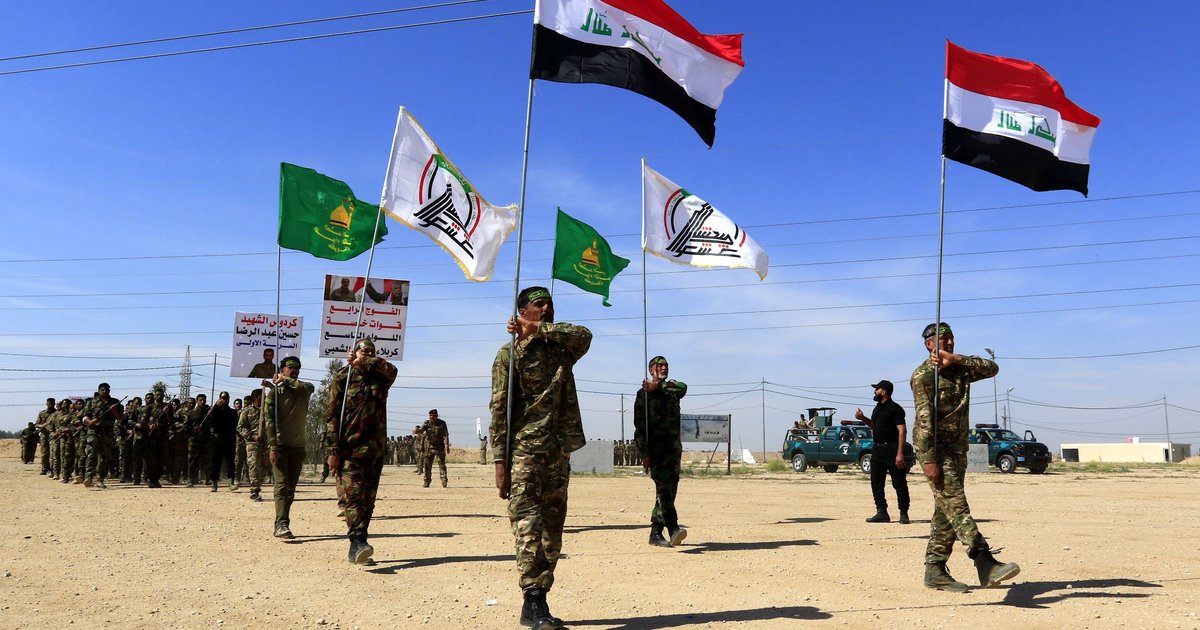
Mohammad Baqer Qalibaf, the Speaker of the Iranian Parliament, revealed his country's fears regarding secret US plans aimed at executing military operations in the Middle East. Qalibaf stated that he expects "American soldiers to reach the battlefield," reflecting the escalating tensions in the region. These remarks come at a sensitive time as fears of a potential military escalation grow amid the tense situations in Iraq and Syria.
In a report published by the Washington Post, American sources indicated that the Pentagon is preparing to carry out "ground operations lasting several weeks," which heightens concerns in Tehran. These statements reflect Iran's anxiety that the United States may take direct military steps against Iran's allies in the region, such as armed groups in Iraq or Syria.
Details of the Event
Qalibaf's statements come at a time when Iran is facing increasing economic and political pressures, as the United States seeks to bolster its military presence in the Middle East. Qalibaf noted that his country would respond to any American movements, further escalating tensions in the region.
He also added that Iran is closely monitoring US troop movements and is prepared for any escalation. These remarks reflect Tehran's concern that the United States may use its allies in the region as tools to implement its military plans.
Background & Context
Historically, relations between Iran and the United States have been tense, especially following Washington's withdrawal from the Iranian nuclear deal in 2018. Since then, the United States has increased its pressure on Iran, leading to heightened military tensions in the region. Recent years have seen several confrontations between American and Iranian forces in Iraq and Syria, increasing the likelihood of direct military conflict.
Iran is considered one of the major regional powers in the Middle East, exerting significant influence over various armed groups in the area. Therefore, any US military action against Iran or its allies could lead to a significant escalation in regional conflict.
Impact & Consequences
If the United States were to conduct ground operations in the Middle East, it could lead to a major escalation in conflict, intensifying tensions between Iran and its allies on one side, and the United States and its allies on the other. Such operations could provoke military responses from Iran, increasing the risk of a broader conflict in the region.
Moreover, any military escalation could significantly impact oil prices and global financial markets, as the Middle East is one of the world's most important oil-producing regions. This escalation could also affect regional security and exacerbate the suffering of civilians in conflict-affected areas.
Regional Significance
The neighboring Arab countries to Iran, such as Iraq and Syria, are among the most affected by any potential military escalation. American military operations could destabilize these countries, increasing civilian suffering and exacerbating humanitarian crises.
Arab nations may find themselves in a difficult position, needing to take clear stances regarding the potential military escalation, which could affect their relations with both the United States and Iran. Under these circumstances, diplomatic dialogue is essential to avoid further escalation in the region.