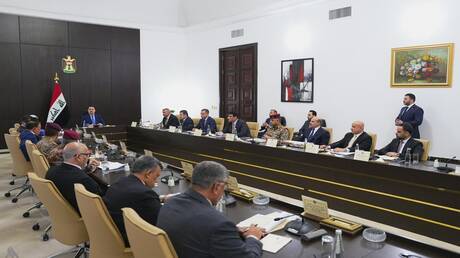
The Iraqi National Security Council convened to discuss current security challenges, reaffirming Iraq's right to defend itself and prevent any attempts to target it or use its territory for illicit purposes. The council stressed the importance of restricting weapons to the state as a fundamental step towards enhancing security and stability.
In this context, the council recommended taking firm actions against lawbreakers as part of the Iraqi government's efforts to ensure the rule of law and protect citizens. These measures come at a sensitive time for the country, where concerns have risen about escalating violence and armed operations in certain areas.
Details of the Meeting
The meeting, chaired by the Iraqi Prime Minister, addressed a range of pressing security issues, emphasizing the need to enhance coordination among security agencies to tackle current challenges. Security reports indicating an increase in armed activities were reviewed, necessitating immediate action.
The importance of supporting security forces and enhancing their capabilities to face potential threats was also discussed. The council noted that restricting weapons to the state is a necessary step to achieve stability, as the proliferation of arms in the hands of non-state actors could exacerbate security conditions.
Background & Context
This affirmation comes at a time when Iraq is grappling with multiple security challenges, including threats from armed groups seeking to destabilize the region. Historically, Iraq has experienced armed conflicts that have led to significant loss of life and destruction of infrastructure, making the enhancement of security and the restriction of weapons to the state national priorities.
Previous attempts to restrict arms have faced significant challenges due to the presence of undisciplined armed groups. However, the current government is striving to achieve this goal by strengthening laws and regulations governing weapon possession.
Impact & Consequences
The implementation of these steps by the Iraqi government could have positive effects on the country's security situation. Restricting weapons to the state can help reduce violence and enhance the security forces' ability to respond to threats more effectively. This may also restore trust between citizens and the state, contributing to stability.
However, the execution of these policies requires cooperation from all stakeholders, including the international community, as external support can play a significant role in enhancing Iraq's security capabilities and assisting it in facing challenges.
Regional Significance
These measures are crucial for enhancing security and stability in Iraq, which directly impacts the regional situation. With ongoing threats from various groups, a stable Iraq is essential for the broader Middle East's peace and security.
In conclusion, the Iraqi government's commitment to restricting weapons and ensuring self-defense rights reflects a proactive approach to addressing security challenges and fostering a safer environment for its citizens.