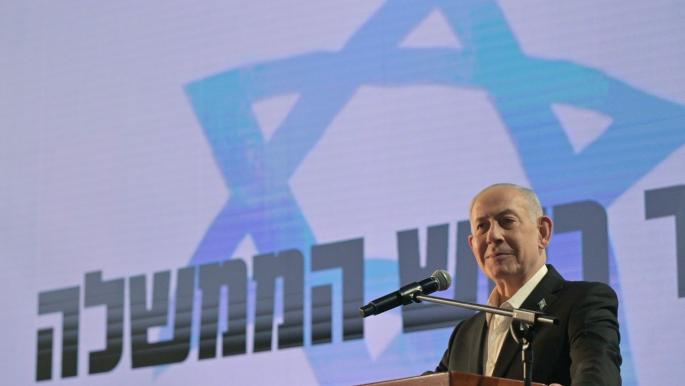
Israeli Prime Minister Benjamin Netanyahu stated that Israel reserves the right to conduct military strikes against Hezbollah targets in Lebanon. This announcement was made during remarks by Netanyahu, where he confirmed that these operations are part of the existing understandings with the Lebanese government.
Netanyahu's statements come at a sensitive time in the region, as tensions between Israel and Hezbollah have escalated recently. He indicated that Israel will continue to take all necessary measures to protect its national security, including executing military operations when necessary.
Details of the Situation
Netanyahu's remarks coincide with an increase in military activities along the Israeli-Lebanese border, where several incidents of mutual targeting have been reported. Hezbollah, which possesses a significant arsenal of weapons, is considered one of the main threats facing Israel, making it essential for the country to take proactive measures.
Netanyahu also pointed out that Israel operates according to well-considered strategies to address threats, stressing the importance of maintaining military operational freedom at all times. This statement reflects an Israeli policy based on deterrence, as the Israeli government seeks to send a clear message to Hezbollah that any aggression will be met with a strong response.
Background & Context
Historically, relations between Israel and Hezbollah have been marked by ongoing tensions, especially following the 2006 war that led to widespread destruction in Lebanon. Since then, the border between the two countries has become a stage for numerous clashes and military operations. Hezbollah, backed by Iran, considers itself a defender of Lebanon against what it perceives as Israeli aggression, complicating the security situation in the region.
In recent years, Hezbollah's military activities have increased, including the development of its missile capabilities, prompting Israel to bolster its defenses along the border. This situation creates a state of instability, with rising concerns about the outbreak of a new conflict in the region.
Impact & Consequences
Netanyahu's statements could lead to an escalation of tensions between Israel and Hezbollah, increasing the likelihood of military clashes. Should Israel carry out military operations, Hezbollah may respond with retaliatory actions, potentially dragging the region into a broader conflict.
The impact of these statements is not limited to Lebanon and Israel alone; it extends to neighboring countries, as many Arab nations are closely monitoring the situation. Any escalation in the conflict could affect regional security and exacerbate the humanitarian burdens in Lebanon, which is already suffering from economic and political crises.
Regional Significance
The Arab region is grappling with numerous crises, and any escalation between Israel and Hezbollah could worsen the situation. Arab countries, which are striving for stability, may find themselves compelled to intervene or take clear positions regarding the escalation.
Moreover, the situation in Lebanon could influence relations between Arab states and Israel, especially amid attempts by some countries to normalize relations with Israel. Any escalation could reverse progress and complicate peace efforts in the region.
In conclusion, the situation in Lebanon and Israel remains affected by ongoing tensions, and Netanyahu's statements serve as a clear warning to all parties involved that any aggression will not go unanswered.