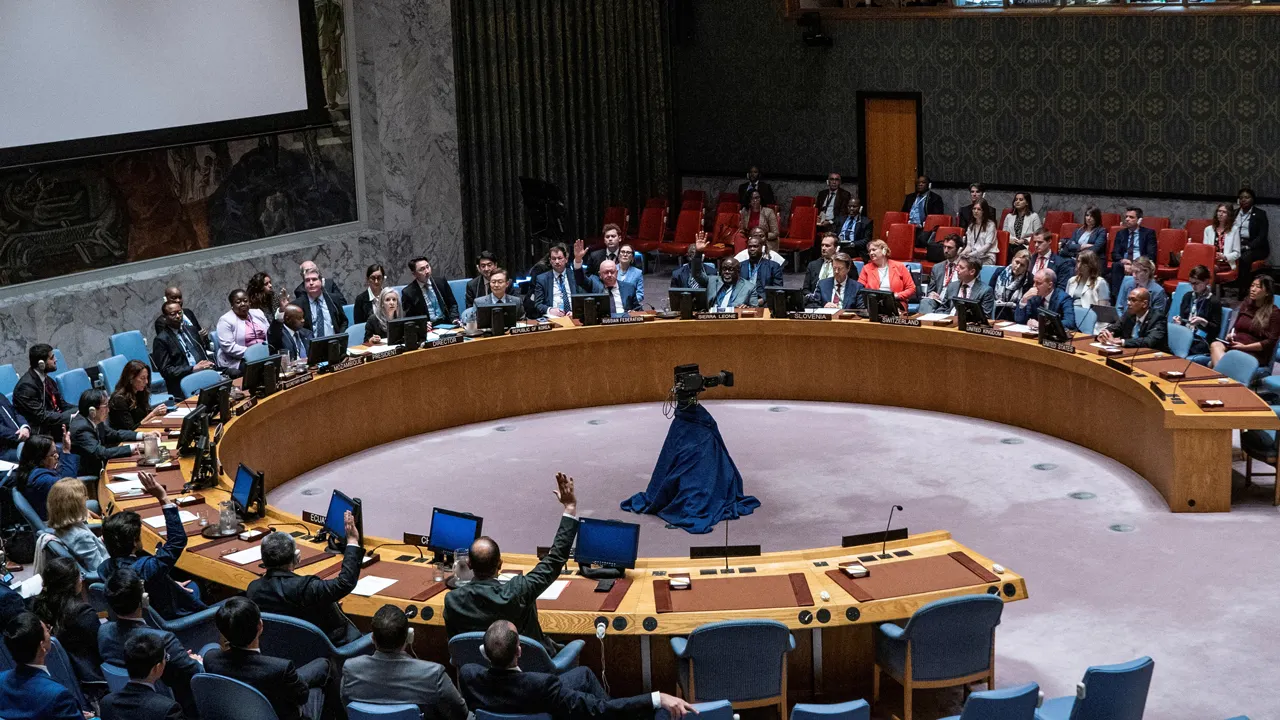
The United Nations Security Council is ongoing in its sessions regarding the Syrian crisis, reflecting a significant gap between rhetoric and action. Despite the repetition of briefings and discussions, conditions in Syria continue to deteriorate, raising questions about the effectiveness of the international community in addressing this ongoing crisis.
Reports indicate that the permanent members of the Security Council, particularly the United States and Russia, remain divided on how to handle the situation in Syria. This division has led to repeated briefings without any practical steps, making it difficult to achieve real progress in resolving the crisis.
Details of the Event
During the latest session, briefings were presented by international envoys who emphasized the urgent need to achieve peace in Syria. However, no concrete plan or clear actions were proposed that could lead to an end to the conflict. This situation demonstrates the Security Council's inability to make decisive decisions, further increasing the suffering of the Syrian people.
At the same time, Syrian government forces continue their military operations in various regions of the country, complicating the humanitarian situation. Statistics indicate that over 13 million Syrians are in need of humanitarian assistance, amid ongoing armed conflict and deteriorating living conditions.
Background & Context
Since the outbreak of the conflict in 2011, Syria has witnessed one of the worst humanitarian crises in modern history. The conflict, which began as peaceful protests against the regime, escalated into a full-scale war, resulting in the deaths of hundreds of thousands and the displacement of millions. Despite international efforts, political solutions remain elusive.
Historically, the Security Council has played a pivotal role in attempting to end conflicts, but in the case of Syria, political divisions among members have hindered any effective action. This situation reflects the significant challenges facing the international community in addressing complex crises.
Impact & Consequences
The repercussions of the Syrian crisis continue to affect regional and international security. The conflict has led to a rise in terrorism, increased illegal migration, and deteriorating economic conditions in neighboring countries. Additionally, instability in Syria threatens security across the entire Middle East region.
Concerns are growing that the continuation of the current situation may exacerbate humanitarian crises, necessitating urgent action from the international community. It is essential for the Security Council to take tangible steps to end the conflict and achieve lasting peace in Syria.
Regional Significance
The Syrian crisis directly impacts neighboring Arab countries, with Lebanon, Jordan, and Iraq hosting large numbers of Syrian refugees. This pressure on resources and essential services increases social and economic tensions in these countries.
Furthermore, the ongoing conflict contributes to destabilization in the region, hindering development efforts and affecting relations between Arab states. It is crucial for Arab nations to collaborate with the international community to find effective solutions to the Syrian crisis.
In conclusion, the Syrian crisis remains one of the greatest challenges facing the international community. The current situation requires urgent and effective action from the Security Council to ensure peace and stability in Syria and the region.