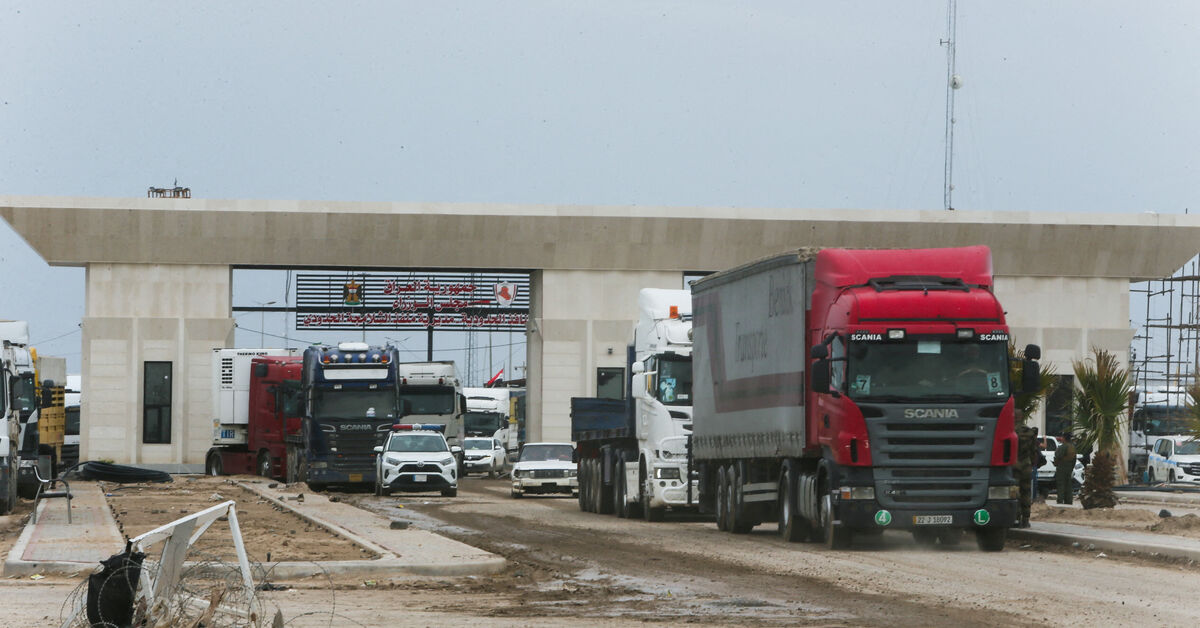
Iraq has closed the Shalamcheh border crossing with Iran following airstrikes on the Iranian side that resulted in the death of an Iraqi citizen. The incident occurred on April 4, according to security sources, who confirmed that the decision was made as a precautionary measure after the unfortunate event. No additional details have been provided regarding the circumstances of the airstrikes or the party responsible for them.
Shalamcheh is considered one of the main border crossings between Iraq and Iran, facilitating trade and movement between the two countries. The closure of the crossing could significantly impact commercial and economic activity in the region, especially given the sometimes tense relations between Iraq and Iran.
Details of the Incident
Specific details regarding the airstrikes targeting the Iranian side of the border have not yet been disclosed. However, the death of the Iraqi citizen is regarded as a tragic event that highlights the security risks faced by border areas. It is worth noting that this is not the first time the border between Iraq and Iran has witnessed military escalation, as the region has seen numerous similar incidents in recent years.
It is important to point out that Iraq and Iran share historical and cultural ties, yet security incidents like this may lead to new tensions between the two countries. The closure of the crossing is an unprecedented step, demonstrating the extent to which military events can affect bilateral relations.
Background & Context
Historically, the Iraqi-Iranian border has experienced numerous conflicts and tensions, particularly during the Iran-Iraq War in the 1980s. Although relations between the two countries have improved in recent years, security events such as airstrikes could reverse this progress. The Shalamcheh border crossing is a vital point for trade between Iraq and Iran, used for transporting goods and commodities between the two nations.
In recent years, the region has witnessed an increase in military activities, as regional and international interests overlap. This escalation is part of a larger conflict in the area, involving regional and international powers seeking to achieve their own interests.
Impact & Consequences
The closure of the Shalamcheh crossing may lead to significant economic and social repercussions. Traders and citizens who rely on this crossing for their daily lives are likely to be affected. Additionally, this closure could heighten tensions between Iraq and Iran, potentially leading to further military escalation in the future.
Moreover, this incident underscores the urgent need to enhance security at the borders, as securing borders is an essential part of regional stability. These events may require the Iraqi government to take additional measures to protect its citizens and ensure their safety.
Regional Significance
The events in Iraq and Iran have significant implications for the Arab region as a whole. Tensions between the two countries may affect the stability of neighboring states, especially in light of the presence of other regional powers seeking to achieve their interests in the area. This incident highlights the importance of security cooperation among Arab states to address common challenges.
In conclusion, the closure of the Shalamcheh border crossing is a direct result of the escalating security events in the region. It is crucial to monitor developments in this context, as any escalation could impact relations between Iraq and Iran, as well as regional stability in general.