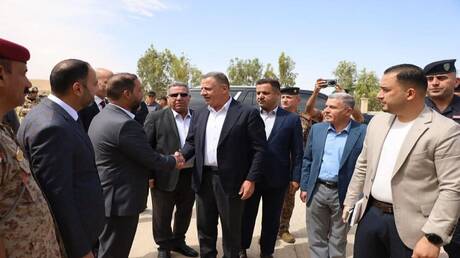
Iraqi Minister of Water Resources, Muthana Al-Tamimi, confirmed that Haditha Dam is capable of managing the water wave coming from Syria, indicating no alarming effects are expected. This statement comes at a critical time as Iraq faces multiple water challenges due to climate change and regional conflicts.
The water waves from Syria are part of the climate changes affecting the region, with increasing flood risks in certain areas. Al-Tamimi pointed out that Iraqi dams, especially Haditha Dam, have been equipped to face these challenges, reflecting the Iraqi government's readiness to tackle water crises.
Details of the Situation
In his statements, Al-Tamimi clarified that Haditha Dam, one of the largest dams in Iraq, has a significant storage capacity that enables it to absorb increasing amounts of water. He also mentioned that the government is working to enhance the water infrastructure in the country to ensure that residential and economic areas are not affected by floods.
These statements come at a time when concerns are growing about the impacts of climate change on water resources in Iraq. In recent years, there has been a decline in water levels in rivers and lakes, increasing pressure on the government to provide sustainable solutions.
Background & Context
Iraq faces significant water challenges, heavily relying on the Tigris and Euphrates rivers. These rivers are directly affected by climate changes and the water policies of neighboring countries, such as Turkey and Syria. In recent years, Turkey has signed agreements to build new dams on the Tigris and Euphrates rivers, negatively impacting water flow into Iraq.
Historically, Iraq enjoyed abundant water resources, but regional conflicts and climate changes have led to the deterioration of these resources. Therefore, preparing to face the water waves coming from Syria is a crucial step in maintaining water security in the country.
Impact & Consequences
The impact of the water wave coming from Syria could have multiple consequences for Iraq. If the quantities are large, it could lead to flooding in low-lying areas, threatening the lives of citizens and affecting infrastructure. Hence, early preparedness is essential to avoid potential damages.
Moreover, these waves may impact agriculture in Iraq, as many farmers rely on river water for irrigation. Thus, effective water management is vital to ensure agricultural sustainability and food security in the country.
Regional Significance
The issue of water is one of the most prominent challenges facing Arab countries, as many share rivers and water resources. Therefore, water-related events in Iraq could affect relations between neighboring countries, especially amid existing tensions over water rights.
Additionally, preparedness to face water waves could serve as a model for other countries in the region, reflecting the importance of regional cooperation in effectively managing water resources.
In conclusion, readiness to face water challenges remains vital for Iraq and the region as a whole. This requires joint efforts from all concerned countries to ensure the sustainability of water resources and protect citizens.