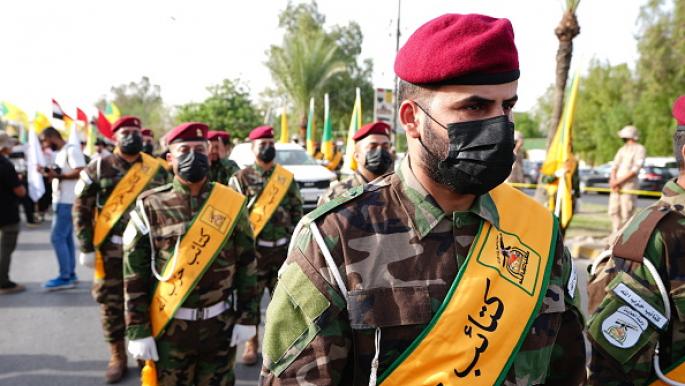
Armed factions under the banner of 'Islamic Resistance in Iraq' have announced their intention to resume attacks against US interests in Iraq and abroad if Washington intervenes in the ongoing military conflict. This announcement comes at a time when tensions are escalating between the United States and armed factions in Iraq, raising concerns about the stability of the region.
These factions are part of a broader coalition of armed groups that oppose the US presence in Iraq, viewing it as a violation of the country's sovereignty. They have confirmed that they will respond harshly to any American intervention, reflecting an increase in military rhetoric within Iraq.
Details of the Threats
These threats arise as relations between Iraq and the United States are becoming increasingly strained, with armed factions accusing Washington of meddling in Iraq's internal affairs. Several factions have issued statements vowing to resume military operations against US forces, highlighting the rising tensions in the region.
The factions believe that any American intervention in the military conflict would escalate the situation, and they are preparing to respond to any actions taken by Washington. These statements serve as a clear warning from the armed factions that they will not hesitate to use force to defend their interests.
Background & Context
Historically, Iraq has experienced multiple conflicts since the US invasion in 2003, which led to significant instability in the country. Since then, numerous armed factions have emerged, adopting a stance of resistance against the US presence, turning Iraq into a battleground for regional and international conflicts.
The 'Islamic Resistance in Iraq' is one of the prominent armed factions formed in the aftermath of the invasion, successfully strengthening its presence and influence within the country. Political and security developments in Iraq have bolstered the position of these factions, allowing them to play a central role in the political and security landscape.
Impact & Consequences
These threats could lead to an escalation of the situation in Iraq, negatively impacting security and stability in the region. Should the armed factions resume their attacks, US interests in Iraq may face increasing threats, potentially prompting military responses from Washington.
Moreover, the rising tensions could affect relations between Iraq and neighboring countries, as some nations may seek to exploit the situation for their own interests. Consequently, these threats could exacerbate security conditions in the region.
Regional Significance
These developments are of significant importance to the Arab region, as they may lead to the escalation of conflicts in other countries suffering from the presence of armed factions. Any escalation in Iraq could impact regional security, threatening the stability of neighboring states.
Ultimately, the situation in Iraq remains a focal point for the world, with all eyes closely monitoring the unfolding events. The continuation of tensions could lead to unforeseen consequences, necessitating serious actions from the international community to maintain security and stability in the region.