Pressure is mounting on Ireland, which has long been seen as a model of military neutrality, as it faces new challenges regarding its national security. In light of rising tensions in Europe, particularly following recent global events, Dublin has begun to reassess its defense posture.
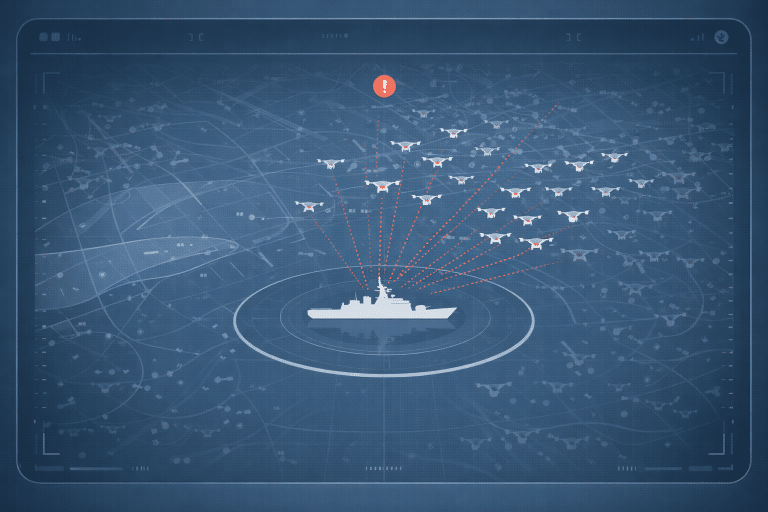
The Irish government recently announced plans to bolster its naval fleet, reflecting a significant shift in the country's defense policy. This move comes after decades of reliance on neutrality, which has been a hallmark of Irish policy since the twentieth century.
Details of the Announcement
Ireland aims to enhance its naval capabilities through new investments in its maritime fleet, a direct response to European and Atlantic pressures. These investments are expected to include the purchase of new ships and the upgrading of existing equipment, thereby strengthening Ireland's ability to protect its shores and maritime interests.
This initiative comes at a sensitive time, as Europe witnesses a surge in geopolitical tensions, raising concerns about regional security. This shift in Irish defense policy is seen as a crucial step towards enhancing cooperation with its allies in the European Union and NATO.
Background & Context
Historically, Ireland has relied on a policy of neutrality, which was viewed as a means of preserving its independence after centuries of British colonial rule. However, changes in the global security landscape, including threats from Russia and tensions in the Mediterranean, have prompted Ireland to reconsider its defense strategy.
Over the years, Ireland has preferred to avoid military conflicts, making it one of the few countries in Europe to maintain a neutral stance. Yet, with the escalation of threats, this approach appears insufficient to guarantee national security.
Impact & Consequences
This move could lead to significant changes in defense relations between Ireland and other European countries. Ireland is expected to enhance its cooperation with its neighbors, potentially contributing to regional security in the face of common threats.
Moreover, these changes may influence European defense policy as a whole, encouraging other nations to reassess their defense strategies in light of evolving circumstances. This shift serves as a call for European countries to unite their efforts in addressing security challenges.
Regional Significance
While this news may seem to pertain solely to Ireland, it has broader implications for global security. The shift in Irish defense policy suggests that smaller nations may need to bolster their military capabilities to confront increasing threats, a lesson for Arab countries facing similar security challenges.
This transformation could inspire Arab nations to reevaluate their defense strategies and enhance regional cooperation to tackle shared challenges. In a rapidly changing world, national security must be prioritized and given greater attention.