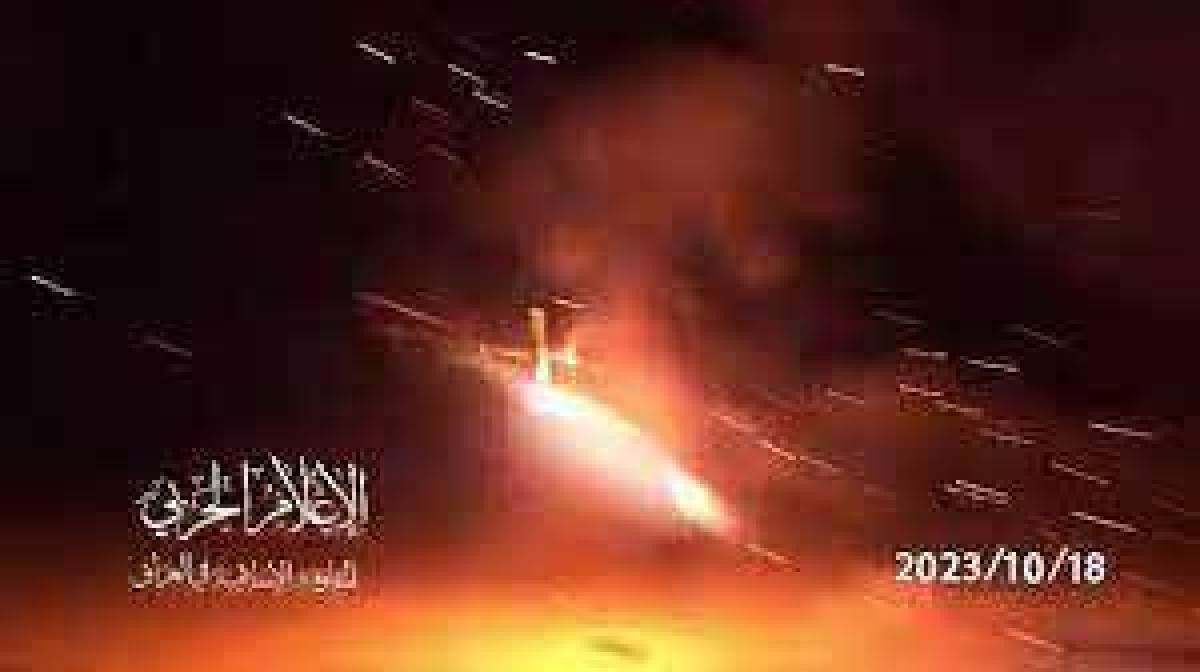
The Islamic Resistance in Iraq has announced the execution of 23 military operations targeting what it described as 'enemy bases' in Iraq and other areas during the past 24 hours. The group confirmed that the attacks involved the use of 'dozens of drones and missiles', reflecting a notable escalation in the military activities of these factions.
These operations are part of the strategy of the Islamic Resistance in Iraq, which includes a number of armed factions, such as Hezbollah Brigades, which have previously targeted American and allied sites in the region. This escalation comes amid increasing tensions between armed factions and American forces in Iraq, as both sides seek to enhance their influence in the area.
Details of the Operations
According to data released by the Islamic Resistance, the operations were carried out in multiple areas, indicating a high level of coordination among the various factions. Advanced techniques were employed in the attacks, including drones, which have become a key weapon in modern conflicts. This escalation follows a period of relative calm, raising questions about the strategic objectives behind these operations.
These operations are seen as a reaction to the American military presence in Iraq, where pressure has increased on the Iraqi government to limit this presence. The armed factions have demonstrated their capability to carry out complex operations, increasing the challenges faced by Iraqi security forces.
Background & Context
Historically, Iraq has witnessed multiple conflicts since the American invasion in 2003, which led to the disintegration of the state and the emergence of various armed factions. After the defeat of the Islamic State, armed factions, including the Islamic Resistance, have played an increasingly important role in the political and military landscape of Iraq. These factions were formed with support from Iran, complicating regional relations.
In recent years, tensions have escalated between armed factions and American forces, especially following the killing of Iranian Quds Force commander Qasem Soleimani in a U.S. airstrike in Baghdad in 2020. These events have led to an increase in military operations by armed factions, which consider themselves defenders of Iraqi sovereignty.
Impact & Consequences
These military operations represent an escalation in the conflict between armed factions and American forces, which may lead to military responses from the American side. Additionally, this escalation could affect security stability in Iraq and heighten sectarian tensions within the country.
Furthermore, these operations may impact relations between Iraq and Western countries, as the Iraqi government may be perceived as unable to control the armed factions. This situation could lead to increased international pressure on Iraq, affecting economic and political aid.
Regional Significance
The repercussions of these operations extend beyond Iraqi borders, potentially affecting regional stability. Tensions between armed factions and the United States could escalate conflicts in other parts of the Middle East, especially with the presence of regional powers like Iran that support these factions.
Moreover, these events may affect neighboring countries of Iraq, potentially leading to an influx of refugees and increased border tensions. Therefore, the situation in Iraq poses a challenge not only for the Iraqi government but also for neighboring Arab countries seeking to maintain their stability.