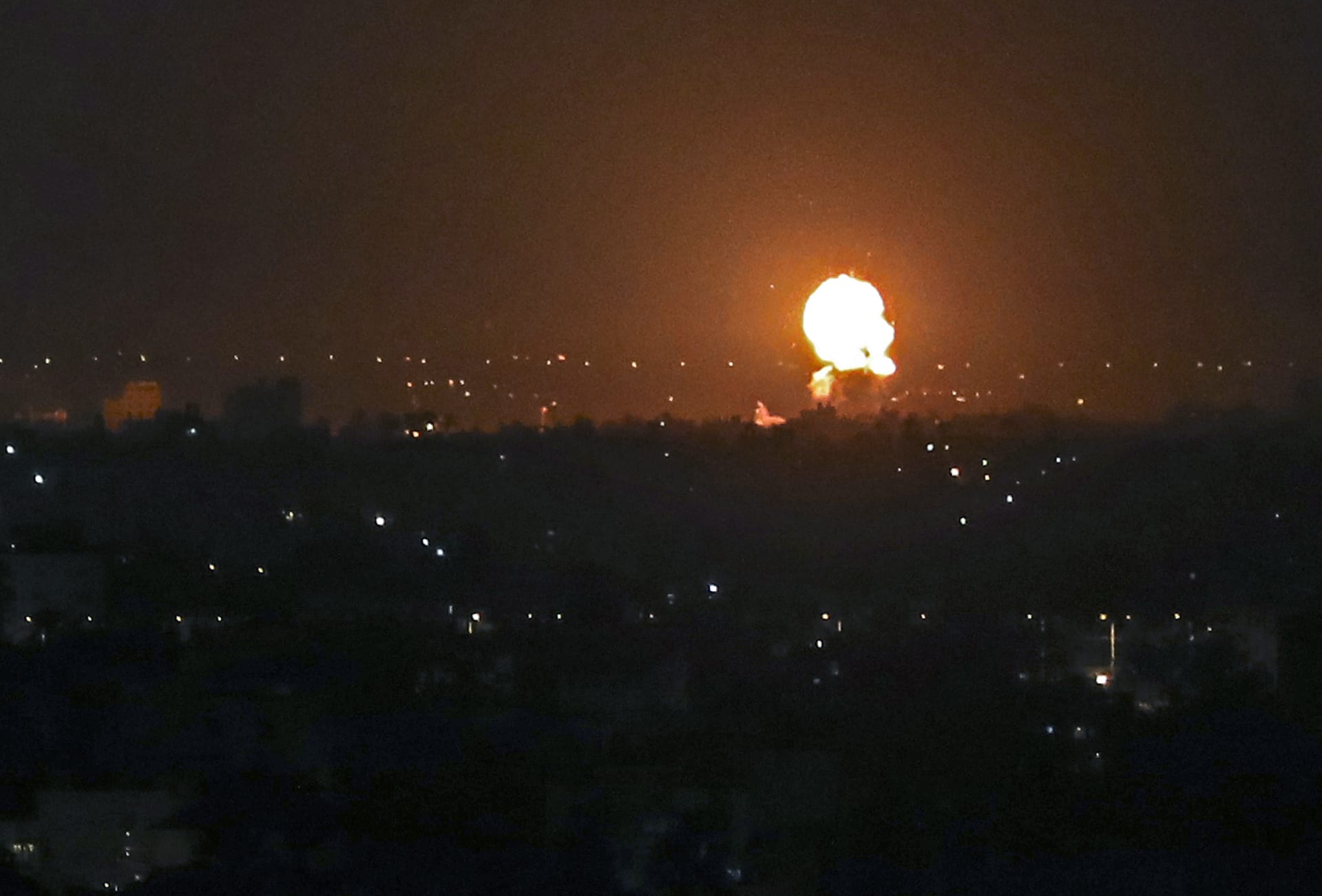
Israeli National Security Minister Itamar Ben Gvir, during a visit to the site of a rocket attack in the city of Arid, emphasized the need for Israel to continue its war against the threats it faces, noting the strength of the Israeli people and their ability to confront these crises. These statements come after the city in the south was targeted by rockets, raising significant fears among the local population.
During his speech at the attack site, Ben Gvir was eager to support the residents, stating: "I came to strengthen and empower them. The Israeli people, thank God, are strong." He added: "They are trying to harm us, but we remind them of one thing: we are in a state of war. This is a war that we must continue to crush the enemies to achieve victory."
These remarks come at a sensitive time for Israel, as its relationship with the Palestinians has been deteriorating continuously in recent years. Since the beginning of this year, the pace of attacks and ongoing assaults by various factions has escalated, prompting the Israeli government to implement strict security measures and enhance its military operations in the region.
Israel is not the only country experiencing turbulent times; the repercussions of the conflict extend across the Arab world. The tensions between Israel and Palestinian factions undoubtedly impact the political and security stability in neighboring countries. More than seventy years after the Nakba, the Israeli-Palestinian conflict remains one of the most complex issues in the region, and yet solutions do not seem to be on the horizon.
The analysis of the situation also reflects deep diplomatic ramifications. The increase in hostile statements and military actions affects Arab interests, as voices calling for Arab unity against aggression rise, along with warnings of escalating tensions in other areas. This atmosphere presents a real challenge for everyone.
It has become clear that military conflict is not the optimal solution to end the deterioration of conditions; rather, dialogue and negotiations are among the weakest points that could contribute to achieving security and stability for both sides. As the security situation continues to deteriorate, hope remains bleak for seeing an agreement that ends the vicious cycle of violence.
Overall, Ben Gvir's statement marks a continuation of the Israeli government's policies favoring military solutions as a strategy to confront Palestinian factions, which exacerbates the conflict and drives the region further into greater crises.