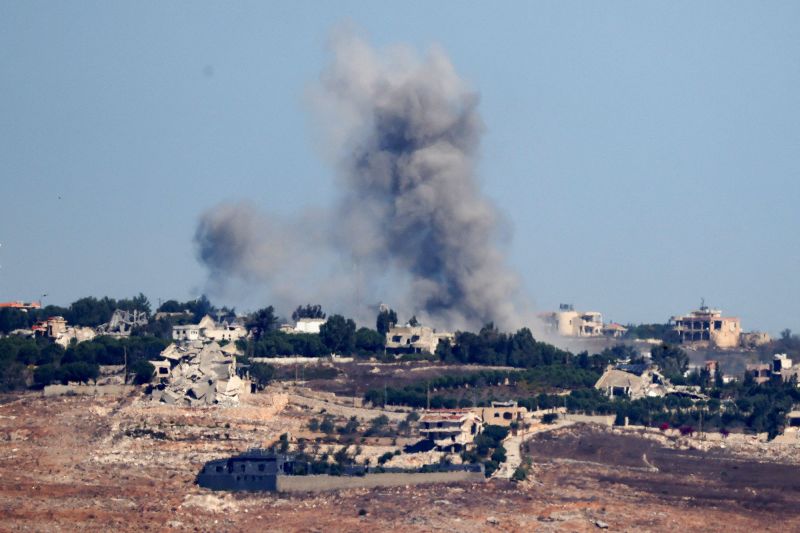
Israeli Defense Minister Yoav Gallant announced that his country will continue to occupy parts of southern Lebanon even after the war, reflecting an escalation in tensions between Israel and Hezbollah. This statement comes as reports confirmed that Israeli ambulance services transported eight individuals with minor injuries to hospitals in the Tel Aviv area due to Iranian shelling.
This announcement reflects Israeli military trends in the region, indicating that Tel Aviv is preparing for a long-term confrontation with Hezbollah, which is considered one of the primary security threats to Israel. This occurs at a time when the region is witnessing increasing tensions, raising concerns about the stability of the security situation in Lebanon.
Details of the Announcement
In his statements, Gallant emphasized that Israel would not hesitate to take necessary measures to protect its national security, indicating that the military occupation of parts of southern Lebanon would be part of Israel's future strategy. This statement serves as a confirmation of Israel's intention to bolster its military presence in the region, which could lead to a greater escalation in the ongoing conflict.
On the other hand, reports indicated that the Iranian shelling targeting areas in Israel resulted in injuries, further heightening tensions between the two countries. The injured individuals were transported to hospitals for treatment, while Israeli authorities continue to assess the security situation in the region.
Background & Context
Historically, relations between Israel and Lebanon have been marked by ongoing tensions, especially since the Lebanese Civil War in the 1970s and 1980s. These tensions have escalated with the emergence of Hezbollah as a military and political force in Lebanon, making it difficult to achieve peace and stability in the region. In recent years, military activities along the border between the two countries have increased, leading to a continuous escalation of the conflict.
Israel views Hezbollah as a major threat to its security, as the group possesses a large arsenal of weapons and conducts military operations against Israeli forces. In this context, Israel seeks to enhance its military presence in southern Lebanon as part of its strategy to defend itself.
Impact & Consequences
The continued Israeli occupation of parts of southern Lebanon may exacerbate the humanitarian situation in the region, where local populations are suffering from the effects of the ongoing conflict. Additionally, this escalation could impact relations between Israel and other Arab countries, particularly those seeking to achieve peace with Tel Aviv.
Furthermore, this situation may contribute to increased support for Hezbollah from certain factions in Lebanon, thereby strengthening the group's position in the Lebanese political arena. Consequently, Israeli statements could lead to worsening security and political conditions in Lebanon.
Regional Significance
The conflict between Israel and Hezbollah represents a significant challenge to security and stability in the Arab region. With rising tensions, fears of a comprehensive war that could affect neighboring countries and lead to serious humanitarian consequences are increasing.
Moreover, the situation in Lebanon may impact relations between Arab countries and Israel, as some nations seek to normalize relations with Tel Aviv. However, the ongoing conflict could complicate these efforts and deepen divisions within the region.
In conclusion, the situation in southern Lebanon remains under the world's spotlight, as concerns grow over a potential security escalation that could affect the stability of the entire region.