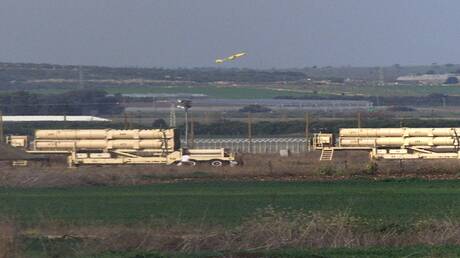
The Hebrew website 'Walla' has revealed a 'serious strategic' shortage in Israel's Arrow interceptor missile stockpile, raising concerns amid the potential for renewed conflict with Iran. This shortage comes as negotiations between Tehran and Washington stall, heightening regional tensions.
The Arrow system is one of the advanced defense systems that Israel relies on to protect its airspace from missile threats. However, reports indicate that the current stockpile is insufficient to confront any potential escalation, placing Israel in a precarious position.
Details of the Situation
Reports have indicated that Israel had entered into massive arms deals to enhance its defensive capabilities, but these efforts seem to have been inadequate to bridge the gap in interceptor missile stockpiles. The current shortage reflects broader challenges Israel faces in securing its borders amid escalating regional threats.
It is noteworthy that the Arrow system has proven effective against ballistic missiles, but with rising tensions with Iran, the need to bolster this system has become more urgent than ever.
Background & Context
Historically, Israel has relied on the United States for military and technological support, including advanced defense systems. However, the current tensions with Iran, which involve its nuclear program and support for militias in the region, could lead to a potential military escalation.
Iran is considered one of the main challenges to Israeli security, as Tehran seeks to enhance its influence in the region, raising fears in Israel about the possibility of missile attacks.
Impact & Consequences
The shortage of Arrow missiles could undermine Israel's ability to respond to any potential attack, potentially altering the balance of power in the region. Should tensions escalate, this shortage may place Israel in a defensive position, increasing risks to its national security.
Furthermore, this situation could affect Israel's relations with its allies, as it may necessitate a reassessment of defense strategies and military cooperation in the face of rising threats.
Regional Significance
Developments in Israel have a direct impact on regional security, as any escalation in conflict could have wide-ranging repercussions for neighboring Arab countries. In the event of a new war, Arab nations would find themselves compelled to deal with the fallout from the conflict, including an influx of refugees and increased internal tensions.
Additionally, any military escalation could lead to a reshaping of regional alliances, as some countries may seek to strengthen their cooperation with Iran in response to Israeli threats.
In conclusion, the shortage of Arrow interceptor missiles reflects significant challenges Israel faces amid changing regional security dynamics. The current situation requires a swift and effective response to ensure Israel's security and the stability of the region.