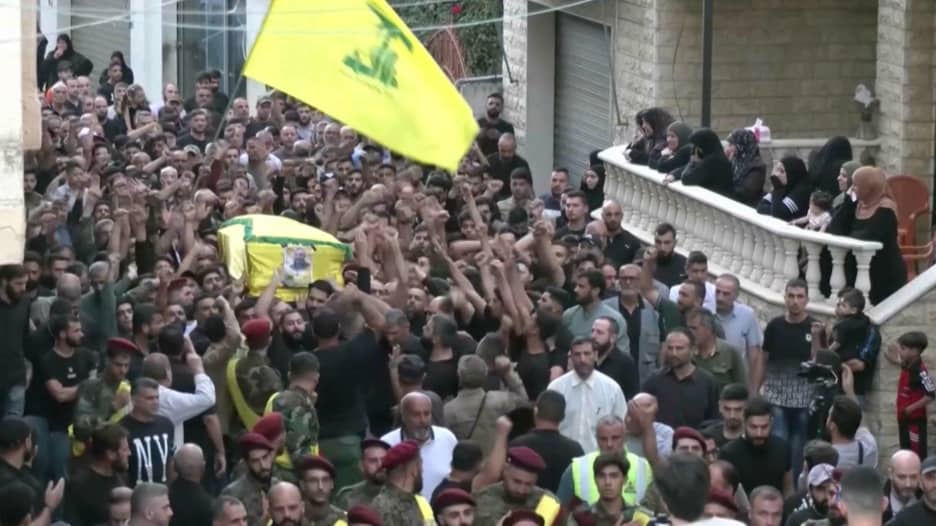
Israeli military sources report that the government plans to call up 400,000 reservists, a decision made in light of the potential expansion of ground operations in southern Lebanon. This move reflects the escalating tensions in the region, where Israel continues to bolster its military presence along the border with Lebanon.
These developments come after a series of increasing clashes between Israeli forces and Hezbollah militants, raising fears of a larger escalation in the conflict. Reports confirm that the Israeli army is preparing for potential military operations that may include deeper incursions into Lebanese territory.
Details of the Mobilization
As part of its preparations, the Israeli army announced plans to mobilize 400,000 reservists, marking the largest call-up in years. This decision comes amid heightened tensions along the border with Lebanon, where confrontations between Israeli forces and Hezbollah fighters have intensified. The Israeli government is also seeking to enhance its military capabilities to confront any potential escalation.
This move coincides with warnings from Israeli officials about the possibility of escalating the conflict, indicating that Hezbollah may exploit the current situation to increase its military activities. Reports have shown that the Israeli army has prepared detailed plans to address any potential threats from the Lebanese side.
Background & Context
Historically, the Israeli-Lebanese border has seen ongoing tensions, with Hezbollah posing a persistent threat to Israel since its establishment in the 1980s. In recent years, there has been an increase in military activities from both sides, leading to several rounds of violence.
In recent years, Israel has ramped up its military operations against targets linked to Hezbollah, particularly in Syria. The ongoing conflict in the region has affected regional stability, making it difficult to achieve lasting peace.
Impact & Consequences
The mobilization of 400,000 reservists could have significant implications for the security situation in the region. An increase in Israeli forces may lead to heightened confrontations with Hezbollah, raising the likelihood of a full-scale war.
Moreover, this mobilization could impact the internal situation in Israel, where the Israeli society may face increasing pressures due to military mobilization. Additionally, military escalation could affect Israel's relations with neighboring countries, particularly Lebanon, complicating the regional situation further.
Regional Significance
The recent developments along the Israeli-Lebanese border are of particular importance to the Arab world, reflecting ongoing tensions in the region. Any military escalation could lead to widespread repercussions, including impacts on regional security and the stability of neighboring countries.
Furthermore, the escalation of the conflict may affect peace efforts in the region, as diplomatic initiatives could be undermined by rising tensions. The situation in Lebanon and Israel poses a significant challenge to regional security and requires urgent international attention.
In conclusion, Israel's call-up of 400,000 reservists reflects escalating tensions in the region and indicates the potential for conflict escalation with Hezbollah. The current situation demands urgent international attention to prevent further deterioration of conditions in the region.