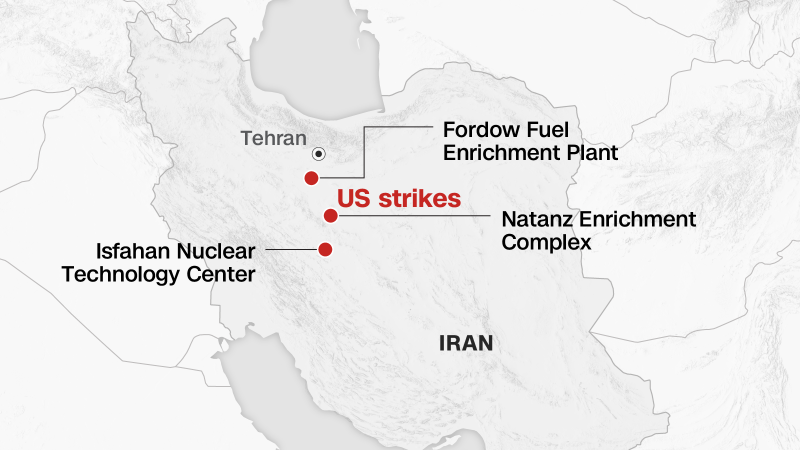
Israeli sources report that the Israeli Air Force executed 400 airstrikes on Iran over two days, utilizing 650 bombs. This escalation comes amid rising tensions in the region, where concerns are growing about the impact of these operations on regional stability.
These airstrikes occur at a sensitive time, as Israel seeks to prevent Iran from enhancing its military capabilities, especially in light of reports indicating that Tehran is developing advanced nuclear and missile programs. This escalation is considered part of a long-term Israeli strategy aimed at countering potential threats from Iran and its allies in the region.
Details of the Event
According to reports, the airstrikes were carried out in multiple areas within Iran, targeting military sites and infrastructure linked to the Iranian nuclear program. Aerial images released after the strikes showed significant destruction at the targeted sites, reflecting the strength of the Israeli strikes.
These operations come at a time when relations between Iran and Israel are increasingly strained, with both countries exchanging accusations regarding support for terrorism and destabilizing the region. Iran has responded to these airstrikes by asserting that it will take countermeasures to protect its national interests.
Background & Context
Historically, relations between Iran and Israel have been tense, with Israel viewing Iran as an existential threat. Since the Islamic Revolution in 1979, Israel has taken multiple steps to counter Iranian influence in the Middle East, including supporting groups opposing the Iranian regime.
In recent years, tensions have notably escalated, particularly after the United States withdrew from the Iranian nuclear deal in 2018. This withdrawal reopened the door to military tensions between Iran and Israel, with the latter increasing its military operations against Iranian targets in Syria and Lebanon.
Impact & Consequences
These airstrikes represent a serious escalation in the ongoing conflict between Iran and Israel and could lead to military responses from the Iranian side, increasing the likelihood of a larger conflict in the region. Additionally, these operations may affect relations between Israel and Arab countries, particularly those seeking to normalize relations with Tel Aviv.
Moreover, these airstrikes could heighten tensions among major powers in the region, as the United States, Russia, or China may intervene in the conflict, complicating the security situation in the Middle East.
Regional Significance
These events are particularly significant for Arab countries, as they reflect the rising tensions in the region and their impact on security and regional stability. These operations may raise fears of military escalation that could affect neighboring countries, highlighting the urgent need for regional cooperation to address security challenges.
Ultimately, developments in Iranian-Israeli relations remain under scrutiny, as the world watches with concern the potential impacts on regional and international security. Military escalation could have dire consequences for all parties involved, necessitating dialogue and understanding to avoid further escalation.