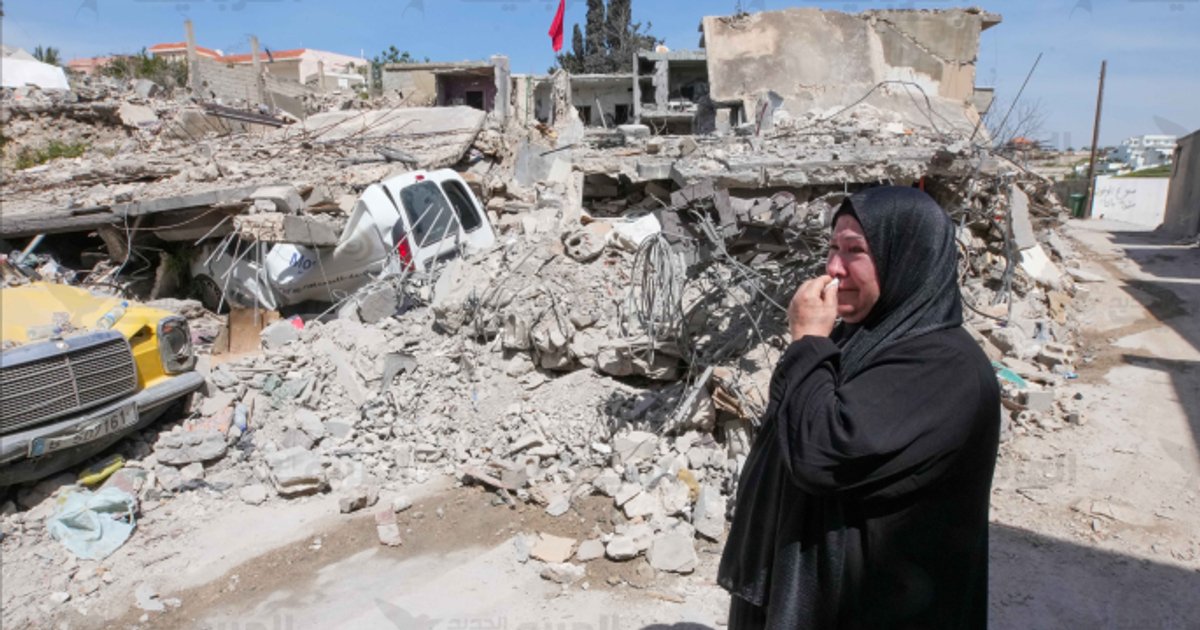
Israel persists in its daily violations of the ceasefire agreement with Lebanon, which took effect at midnight on April 16-17. Despite international efforts to stabilize the situation, Israeli military operations have not ceased, escalating tensions in the region.
Reports indicate that Israeli forces have conducted several military operations in various areas of Lebanon, targeting sites believed to be affiliated with Hezbollah. These violations occur at a sensitive time as the international community seeks to enhance stability in the region.
Details of the Violations
Since the ceasefire began, local sources have reported multiple violations, including air sorties and artillery shelling. Images captured in border areas show an increase in Israeli military activity, raising concerns among local residents.
Lebanese military sources have also reported that Israeli forces have reinforced their presence along the border, suggesting a potential for greater escalation in the future. These military activities contradict Israel's commitments under the ceasefire agreement, raising questions about its true intentions in the region.
Background & Context
Historically, the Lebanese-Israeli border has witnessed recurring tensions, with several wars and conflicts over the years. The current ceasefire agreement came after significant military escalation, with both sides exchanging fire on multiple occasions. However, the history of this region indicates that ceasefires are often fragile.
International efforts, including United Nations intervention, have not always succeeded in achieving stability. Therefore, the current situation reflects the complexities of the ongoing conflict, where regional and international interests intersect.
Impact & Consequences
The ongoing Israeli violations continue to affect the security situation in Lebanon, increasing fears of further escalation. These activities may provoke reactions from Hezbollah, which could perceive these violations as a threat to its sovereignty.
Moreover, the continuation of tensions could impact relations between Lebanon and neighboring countries, complicating peace efforts in the region. The humanitarian situation in Lebanon may also be adversely affected, as residents suffer from the ongoing conflict's repercussions.
Regional Significance
Israeli violations are part of a larger picture of conflict in the Middle East, where Palestinian and Lebanese issues intersect. The continuation of these violations could lead to heightened tensions in other countries, reflecting regional instability.
Additionally, international reactions to these violations may influence the foreign policies of Arab countries, as many seek to achieve stability in the region. In this context, the situation in Lebanon remains a focal point of significant interest for the international community.
In conclusion, the ongoing Israeli violations of the ceasefire agreement with Lebanon reflect a complex reality that requires genuine international efforts to achieve peace and stability in the region. The current tensions could lead to far-reaching consequences, necessitating careful monitoring by all concerned parties.