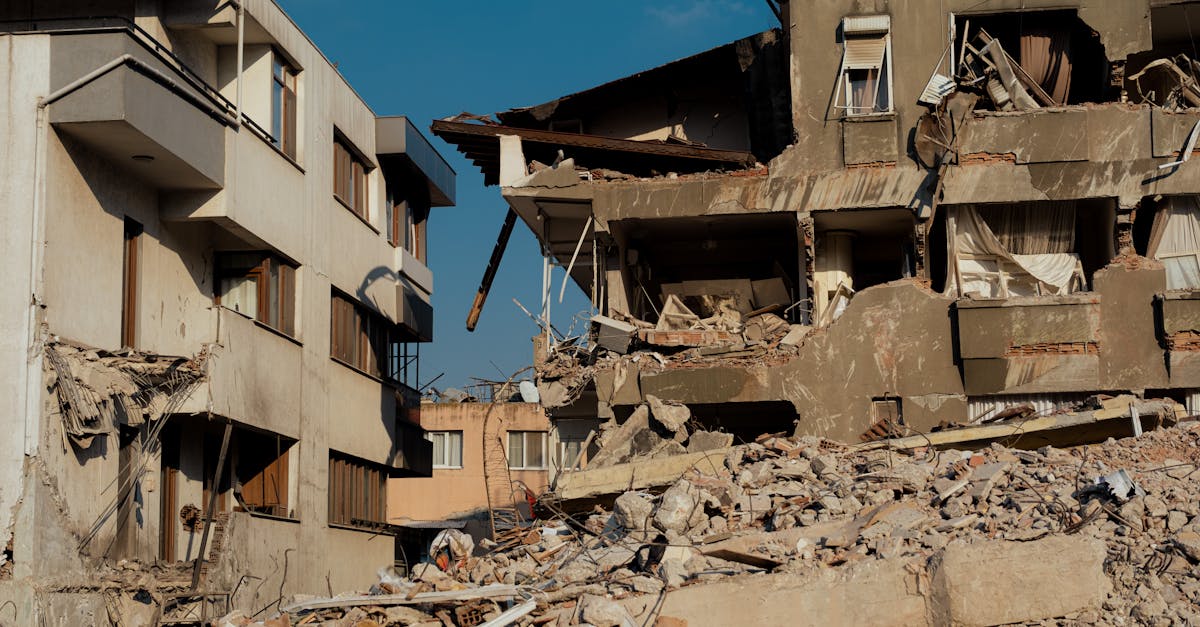
Israeli Prime Minister Benjamin Netanyahu revealed that Israeli forces successfully destroyed the largest petrochemical plant in Iran, marking a significant escalation in the ongoing conflict between Tel Aviv and Tehran. Netanyahu stated that this attack aims to undermine Iranian capabilities in the energy and petrochemical sectors.
This announcement comes amid rising tensions between Israel and Iran, with Tel Aviv accusing Tehran of seeking to develop a nuclear program that could threaten its security. In recent years, Israeli military operations against Iranian targets have increased, reflecting an Israeli strategy aimed at preventing Iran from enhancing its influence in the region.
Details of the Attack
According to reports, the targeted plant was among the largest in Iran and is a crucial part of the Iranian petrochemical industry. Netanyahu confirmed that the attack was based on accurate intelligence regarding the plant's activities, showcasing Israel's capability to conduct complex operations within Iranian territory.
This attack is not the first of its kind; Israel has previously targeted several Iranian facilities. However, this incident occurs under complex political circumstances, as Iran seeks to improve its relations with certain Western countries.
Background & Context
Historically, relations between Iran and Israel have been strained since the Islamic Revolution in Iran in 1979. Since then, Iran has regarded Israel as a primary enemy, while Israel views the Iranian nuclear program as an existential threat. Recent years have seen an escalation in military and intelligence activities between the two sides, intensifying the conflict in the region.
In recent years, Iran has taken steps to enhance its military capabilities, including the development of its nuclear program, raising concerns within the international community. In response, Israel is working to bolster its defensive and offensive capabilities to counter potential threats.
Impact & Consequences
The destruction of the Iranian plant could have significant repercussions on the Iranian economy, which heavily relies on the petrochemical sector. This attack may contribute to increased economic pressures on Tehran and affect its ability to finance military activities.
Moreover, this escalation could provoke strong Iranian reactions, either through increased military activities or by strengthening cooperation with its regional allies. Additionally, this attack may influence the ongoing nuclear negotiations Iran is conducting with major powers.
Regional Significance
The developments between Iran and Israel have substantial implications for security and stability in the Arab region. The rising tensions could lead to escalations in other conflict areas, such as Iraq and Syria, where Iranian forces and allied groups are present.
Furthermore, these events may affect relations between Arab states and Iran, as some Arab nations seek to improve ties with Tehran while fearing escalating tensions. In this context, the situation in the region remains complex and requires careful monitoring.
In conclusion, the destruction of the largest petrochemical plant in Iran reflects a new escalation in the conflict between Iran and Israel, raising questions about the future of relations in the region and their impact on regional security.