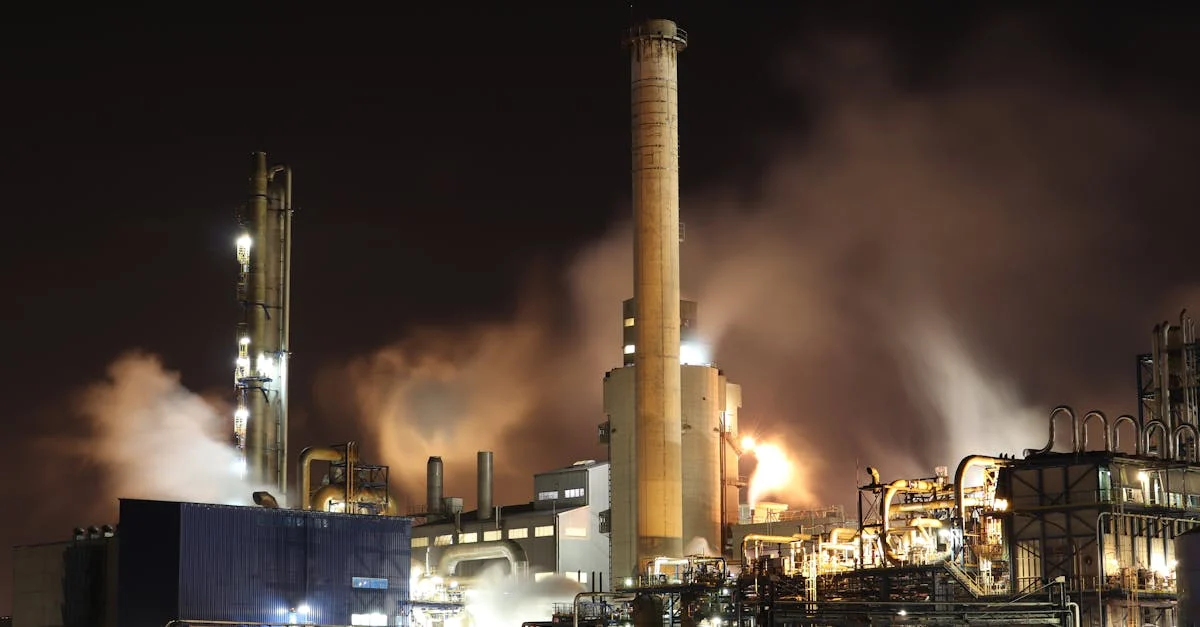
Israel has carried out military operations targeting Iranian petrochemical facilities, resulting in the disruption of around 85% of this vital industry’s exports. The airstrikes aimed at the cities of Asaluyeh and Isfahan are part of an escalating Israeli policy aimed at undermining Iranian activities in the region.
The Iranian petrochemical industry is a primary source of revenue, playing a crucial role in the Iranian economy. Reports indicate that the Israeli strikes have caused significant damage to the targeted facilities, which will greatly affect Iran's ability to export these products.
Details of the Event
As part of the military operations, Israeli aircraft targeted key facilities in Asaluyeh and Isfahan, both of which are known for their large petrochemical plants. Israeli military sources confirmed that these strikes were precise and effective, leading to the destruction of a substantial portion of the infrastructure of this industry.
These operations come at a sensitive time, as Iran seeks to bolster its military capabilities amid rising tensions in the region. Israeli officials have indicated that these strikes are part of a broader strategy aimed at undermining Iranian activities that they consider a threat to Israeli national security.
Background & Context
Historically, relations between Israel and Iran have been tense, especially following the Iranian Revolution in 1979. Since then, Israel has taken several steps to counter what it perceives as a threat from Iran, whether through military support for its allies in the region or through direct military operations.
The export of Iranian petrochemicals is one of the main sources of funding for Iranian military activities, making the targeting of this industry a key part of Israel's strategy to limit Iran's ability to enhance its military arsenal.
Impact & Consequences
These strikes could exacerbate economic conditions in Iran, as the country will face significant challenges in exporting its petrochemical products. This situation may increase economic pressures on the Iranian government, potentially affecting the stability of the political system.
Additionally, these operations could escalate tensions in the region, as Iran is expected to respond to these strikes in various ways, whether through military operations or by strengthening its alliances with other countries.
Regional Significance
These developments are of great importance to the Arab region, as they could affect the balance of power in the Middle East. Arab countries that feel threatened by Iranian activities may see these strikes as an opportunity to strengthen their alliances with Israel.
Moreover, the rising tensions could lead to increased military investments in the region, which may impact regional security and stability.
In conclusion, the Israeli strikes on Iranian petrochemical facilities represent a strategic move aimed at undermining Iran's ability to finance its military activities. As tensions escalate, the future of relations in the region remains uncertain, necessitating close monitoring of upcoming developments.