Writer David Rosenberg, in an article published on the Israeli Haaretz website, reveals that Israel can no longer afford what he describes as Prime Minister Benjamin Netanyahu's appetite for open wars. The shift led by Netanyahu since the attack on October 7, 2023, has pushed the country towards a state of "perpetual war readiness," draining the economy and society and placing the future of the state in jeopardy.
Rosenberg notes that former U.S. President Donald Trump, despite his inclination towards confrontation with Iran, quickly recognized the dangers of getting involved in prolonged wars and sought to reduce American engagement. However, Netanyahu, according to the writer, is moving in the exact opposite direction, becoming increasingly inclined to expand military operations and maintain a constant readiness for new rounds of fighting.
Details of the Situation
Before the October 7 attack, Netanyahu was known for his caution regarding long wars, preferring quick military operations that end with political settlements to minimize costs for Israel. He understood that the Israeli economy could not bear open conflicts and that the military, heavily reliant on reserve forces, was not designed for prolonged wars of attrition.
However, Rosenberg asserts that this approach has radically changed following the current war, citing the ongoing Israeli bombardment of Beirut and what he describes as Netanyahu's unspoken desire to resume attacks on Iran. Despite nearly three years of fighting against Hamas, Hezbollah, and Iran, Netanyahu has not achieved a "complete victory," yet he continues to push for a policy that keeps Israel in a state of constant war readiness.
Background & Context
The costs of war have become enormous for the Israeli economy, with estimates suggesting that the first two years of the war before Operation "Raging Lion" cost the government around $120 billion, according to estimates from the Bank of Israel. The recent war with Iran has added at least $12 billion more in military and civilian spending, figures that may be lower than the actual costs.
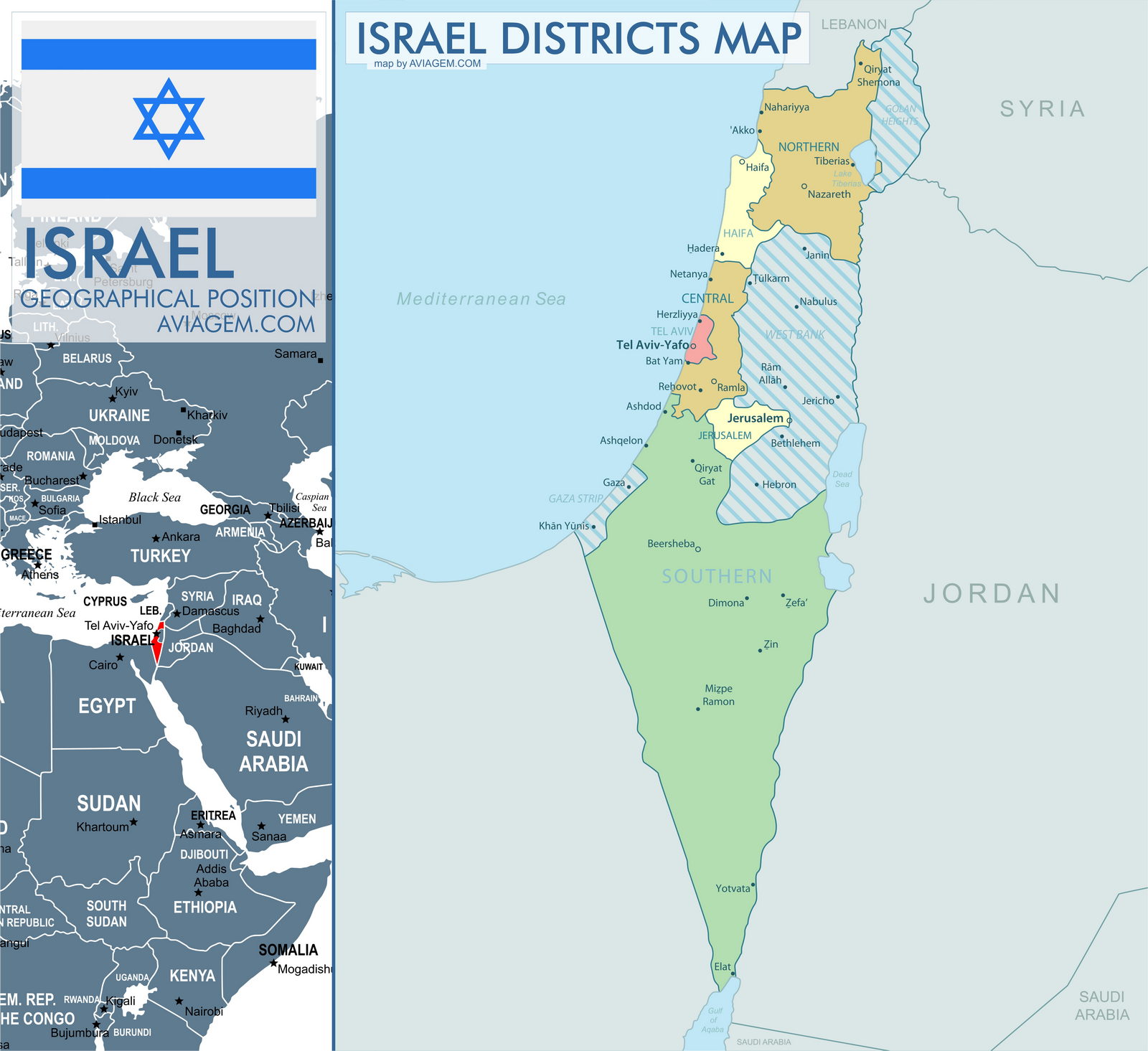
Military spending continues despite a ceasefire agreement with Lebanon, as Israel maintains control over large areas of southern Lebanon and conducts airstrikes on Hezbollah targets, in addition to ongoing military operations in the Gaza Strip and the presence of Israeli forces in Syria. The increasing deployment in the West Bank reflects the ongoing tensions.
Impact & Consequences
The financial burden of reserve forces has become overwhelming, with the cost of every 10,000 reserve soldiers amounting to about $109 million monthly. The 2026 budget anticipated having 40,000 reserve soldiers on duty daily, but the actual number has currently reached an average of 100,000 soldiers, amid the absence of any clear plan to exit the various battlefields.
So far, the Israeli economy has managed to withstand the effects of war for several reasons, including the experience of Israeli companies in dealing with wartime conditions and the psychological shock left by the events of October 7, which led large sectors of Israelis to view the war as a matter of national survival regardless of the economic cost.
Regional Significance
The implications of the "perpetual war" extend beyond the economy, affecting Israel's international image, especially within the United States. The war in Gaza and Israel's role in pushing Trump towards a joint attack on Iran have led to a decline in American public support for Israel, not only among Democrats and progressive factions but even within traditionally supportive Republican and evangelical circles.
This decline may reflect in future American military aid, as the U.S. Senate last month saw votes in which a majority of Democratic members supported resolutions aimed at halting arms deals to Israel, although these measures ultimately did not pass. Netanyahu himself has begun to implicitly acknowledge the possibility of reducing American aid after the current aid agreement expires in 2028.
In conclusion, Israel's public debt has risen significantly since the onset of the war, representing about 60% of the GDP before October 7, but it has increased to about 69% by the end of 2025. Bank of Israel Governor Amir Yaron warned that fully implementing Netanyahu's military plan could push the debt ratio to 81% by 2035.