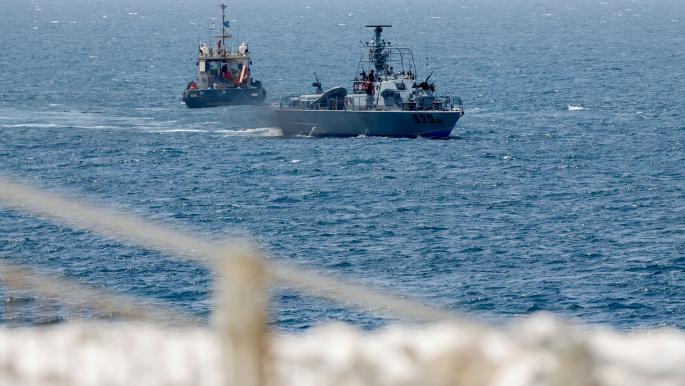
Since March 2, Israel has intensified its aggression against Lebanon, notably shifting towards the use of warships in its military operations. This escalation raises numerous questions regarding the reasons that have led Tel Aviv to rely on "naval weaponry" at this critical juncture.
This move is part of a broader strategy aimed at enhancing Israeli military capabilities in response to potential threats from Lebanon, particularly amid ongoing tensions with Hezbollah. The use of warships may reflect Israel's desire to expand the scope of its military operations, complicating the situation in the region further.
Details of the Incident
Reports indicate that Israeli warships are patrolling Lebanese territorial waters, targeting sites believed to be used by Hezbollah. This maritime escalation comes at a sensitive time, as fears of a larger conflict in the region are rising. Additionally, the use of warships demonstrates Israel's ability to conduct military operations from the sea, providing it with greater flexibility in targeting objectives without the need for ground incursions.
Israeli naval operations also include the use of drones, further complicating the military landscape. Reports have noted drone flights over various areas of Lebanon, raising concerns about the potential for escalating military confrontations.
Background & Context
Historically, the relationship between Israel and Lebanon has been marked by increasing tensions, especially following the 2006 war. Since then, Israeli military operations against targets in Lebanon have not ceased, but the use of warships represents a new shift in strategy. This change may be linked to developments in the regional situation, including tensions with Iran and its allies in the area.
Moreover, the internal situation in Lebanon, which is suffering from economic and political crises, may hinder the Lebanese government’s ability to respond effectively to Israeli escalation. This complicates the landscape and reflects the weakness of the Lebanese state in facing external challenges.
Impact & Consequences
These naval operations could lead to greater escalation in confrontations between Israel and Hezbollah, increasing the likelihood of a full-scale military conflict. Furthermore, this escalation may affect regional security, as other regional powers could intervene in the dispute, complicating the situation further.
On the other hand, the continuation of Israeli aggression could exacerbate humanitarian conditions in Lebanon, where the Lebanese people are suffering from multiple crises. This may provoke international reactions, as international organizations could intervene to pressure Israel to cease its aggression.
Regional Significance
The developments in Lebanon are part of a broader landscape in the Arab region, where tensions between countries are on the rise. The ongoing Israeli aggression could impact relations between Arab states and Israel, especially amid normalization attempts occurring in some countries.
Additionally, the situation in Lebanon may have repercussions for security in neighboring countries, as other Arab states could be affected by the fallout from any military escalation. This necessitates clear positions from Arab countries regarding Israeli aggression and efforts to support Lebanon in facing the challenges it encounters.
In conclusion, the Israeli escalation in Lebanon represents a dangerous shift in the conflict and reflects the increasing tensions in the region. The current situation requires urgent international action to mitigate escalation and ensure regional stability.