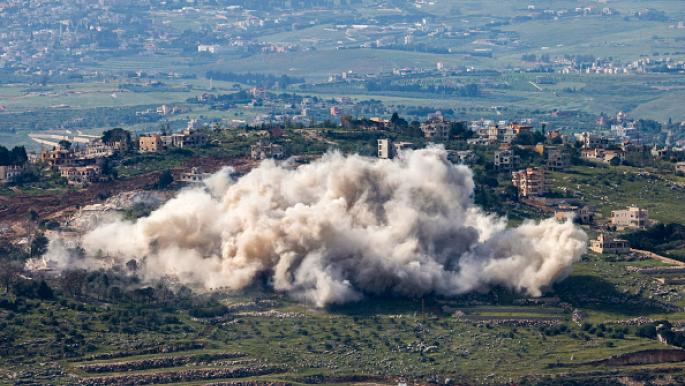
Israeli Security Minister Yisrael Katz threatened Lebanon on Monday, expressing his country's intentions for military escalation, stating that Israel will face 'fire that will burn the entire country.' These statements come just two days after Israeli Prime Minister Benjamin Netanyahu directed an increase in military operations against Lebanon, raising concerns about escalating tensions in the region.
These threats are part of a long-standing Israeli policy towards Lebanon, where the Israeli government seeks to strengthen its military position amid the tense situation in the area. Recently, Israeli statements have intensified, reflecting concerns over any potential escalation that could lead to a larger conflict.
Details of the Event
Katz's remarks came at a sensitive time, as tensions rise between Israel and Hezbollah, one of the prominent armed factions in Lebanon. Recently, there has been an exchange of fire along the Lebanese-Israeli border, increasing anxiety among local residents. Katz, considered one of the key security figures in the Israeli government, confirmed that his country would respond forcefully to any threats coming from Lebanon.
In a related context, Netanyahu indicated that military escalation is the best option to protect Israeli national security, reflecting the Israeli government's strategy in dealing with security threats. Military activities along the border have intensified, increasing the likelihood of armed clashes.
Background & Context
Historically, relations between Lebanon and Israel have been marked by ongoing tensions, especially following the Lebanese War in 2006, which resulted in widespread destruction in Lebanon. Since then, military skirmishes have continued along the border, with each side seeking to bolster its military position. Hezbollah, regarded as the main force in Lebanon, adopts a policy of resisting Israeli occupation, complicating the situation in the region.
Additionally, the political situation in Lebanon, which is suffering from economic and political crises, makes it difficult for the Lebanese government to take strong stances against Israeli threats. This situation contributes to increasing tensions and complicates peace efforts in the region.
Impact & Consequences
The Israeli military escalation could lead to serious repercussions for regional security, potentially igniting a widespread conflict in the area. This could affect stability in Lebanon and exacerbate the suffering of the Lebanese people, who are already grappling with economic and social crises.
Any military escalation may also lead to international interventions, as major powers might seek to intervene to curb the escalation. The United States, a key ally of Israel, may find itself compelled to justify Israel's actions amid international pressures.
Regional Significance
These Israeli threats serve as a wake-up call for Arab countries, reflecting the ongoing tensions in the region. Any escalation could impact relations between Arab states and Israel and may worsen crises in other countries such as Syria and Palestine.
Furthermore, the situation in Lebanon could directly affect the security of neighboring countries, necessitating clear stances from Arab nations regarding these threats and working towards enhancing security cooperation to protect regional stability.
The recent Israeli threats reflect an increasing escalation of tensions between Lebanon and Israel, raising concerns about the future of security in the region. The international community must work to de-escalate the situation and prevent any escalation that could lead to a comprehensive conflict.