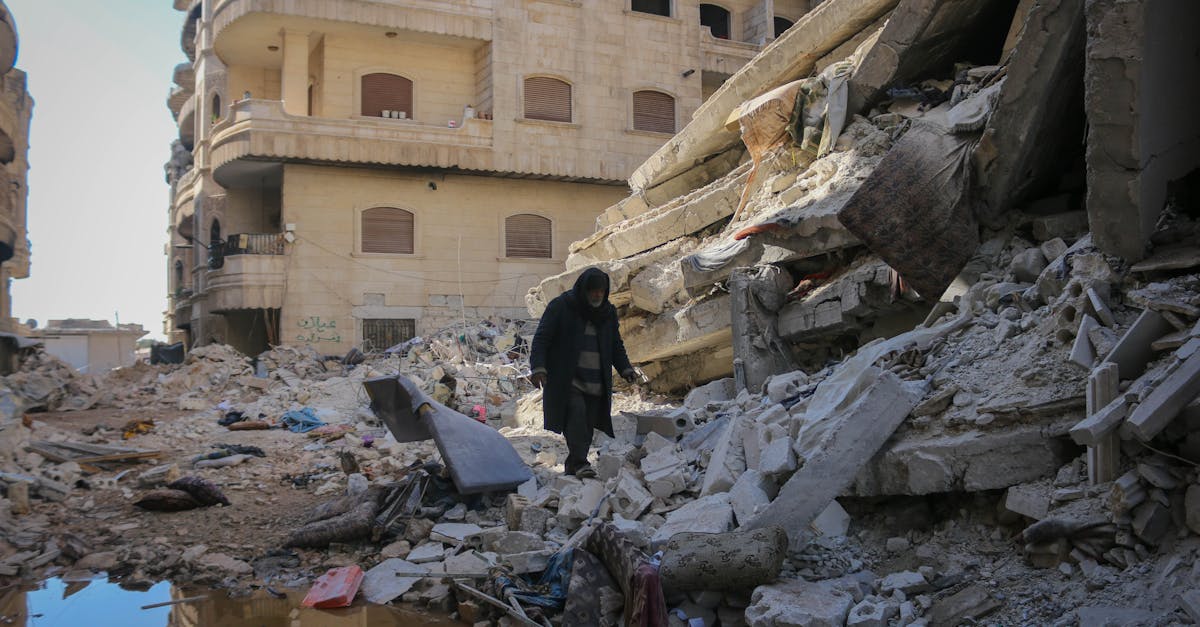
Israel continues to carry out airstrikes on southern Lebanese areas, targeting a building in the Shabriha Abbasiyah region near Tyre, according to the Lebanese National News Agency. These strikes come at a time when the political situation remains uncertain regarding Lebanon's inclusion in the ceasefire agreement reached between the United States and Iran.
On Wednesday morning, the Israeli army issued urgent alerts to residents in parts of Tyre, demanding immediate evacuation and urging them to head north of the Zahrani River. These measures are part of the army's preparations for new airstrikes in the area, with Israeli army spokesperson Avichai Adraee claiming these steps are in response to Hezbollah's activities.
Details of the Incident
In a related context, Al Jazeera's correspondent reported that Israeli fighter jets launched strikes on the town of Sarifa and the surrounding area of the Eastern town in southern Lebanon, coinciding with intensified military movements along the border. The Lebanese army has urged displaced individuals to refrain from returning to their homes in the south, indicating that such returns may expose them to ongoing Israeli attacks.
Earlier today, the Lebanese Ministry of Health announced that **8** people were killed and **22** others injured as a result of an Israeli strike targeting the waterfront in Sidon. Local media outlets broadcast images showing the destruction inflicted on a café in the city.
Background & Context
These developments occur during a time of increasing tension in the region, as Israeli Prime Minister Benjamin Netanyahu's office confirmed that Israel supports U.S. President Donald Trump's decision to suspend attacks on Iran for two weeks, but emphasized that this agreement does not include Lebanon. In contrast, Pakistani Prime Minister Shehbaz Sharif, who is playing a mediating role, announced that the agreement includes an immediate ceasefire everywhere, including Lebanon.
This conflicting rhetoric reflects a state of uncertainty regarding the future situation in the region, with the Associated Press reporting a negotiator indicating that Lebanon is included in the ceasefire agreement between the U.S. and Iran. Meanwhile, Reuters cited Lebanese sources close to Hezbollah stating that the group has halted attacks on northern Israel as part of this agreement.
Impact & Consequences
Concerns are rising over a potential new military escalation in the region, as observers expect these airstrikes to exacerbate the humanitarian situation in Lebanon, particularly with the increasing number of displaced individuals. Furthermore, the continuation of Israeli airstrikes could hinder international mediation efforts and complicate the political landscape.
Under these circumstances, it appears that Hezbollah may adopt a more cautious stance, as it has not announced any attacks against Israel since midnight last night, suggesting a possible commitment to the ceasefire. However, its official position remains unclear, with expectations for a statement clarifying its stance on the agreement.
Regional Significance
These events are of significant importance to the Arab region, reflecting the ongoing tensions between regional and international powers. The continuation of Israeli airstrikes on Lebanon could lead to an escalation of the conflict and increase civilian suffering, necessitating urgent international action to protect civilian populations and ensure their safety.
In conclusion, the situation in Lebanon remains tense, with military and political dimensions intricately intertwined. The international community must take effective steps to alleviate tensions and ensure regional stability.