Israel is moving towards a new model for managing the war in southern Lebanon based on 'security control' instead of direct occupation up to the Litani River, which reduces the likelihood of returning to a permanent occupation. This approach relies on deterrence and fire control without the need for extensive deployment or direct management of land and populations, thereby alleviating military costs while keeping pressure ongoing.
The Israeli strategy is based on reviving the 'security belt' in a modernized form, by controlling elevated and strategic sites, which was confirmed by Israeli Prime Minister Benjamin Netanyahu, stating that Israel 'continues to expand the security belt in southern Lebanon.'
Details of the Event
An informed source revealed that 'Israel seeks to reoccupy 18 strategic sites that it controlled before 2000, with the aim not being extensive deployment, but rather imposing comprehensive fire oversight that allows control of the field without permanent presence, thus making fire control a substitute for direct control of the land.'
In a notable escalation, a US airstrike targeted a vital land route with Iran, amid indications that Washington aims to isolate Iraq from Iran. Bombing in Basra resulted in one death and five injuries, disrupting trade and travel, as the route is considered a main artery for exchange between the two countries. Observers believe that targeting the routes aims to cut supplies and disrupt trade to impose actual isolation between southern Iraq and Iran.
Background & Context
Two girls were killed and 40 people were injured due to Israeli airstrikes on southern Lebanon, according to the Lebanese Ministry of Health. Israel also reported the death of a soldier in the same region's battles. The ministry announced 'the martyrdom of two girls and the injury of 22 citizens' as a result of an Israeli strike on the town of Habboush.
In a related context, oil facilities in Basra were targeted by drone attacks, while strikes on 'Popular Mobilization Forces' sites in Anbar continued, resulting in one death and five injuries. These developments are part of an escalating situation in the region, where the conflict has extended to Lebanon after Hezbollah, backed by Iran, launched missiles at Israel in response to the assassination of Iranian leader Ali Khamenei.
Impact & Consequences
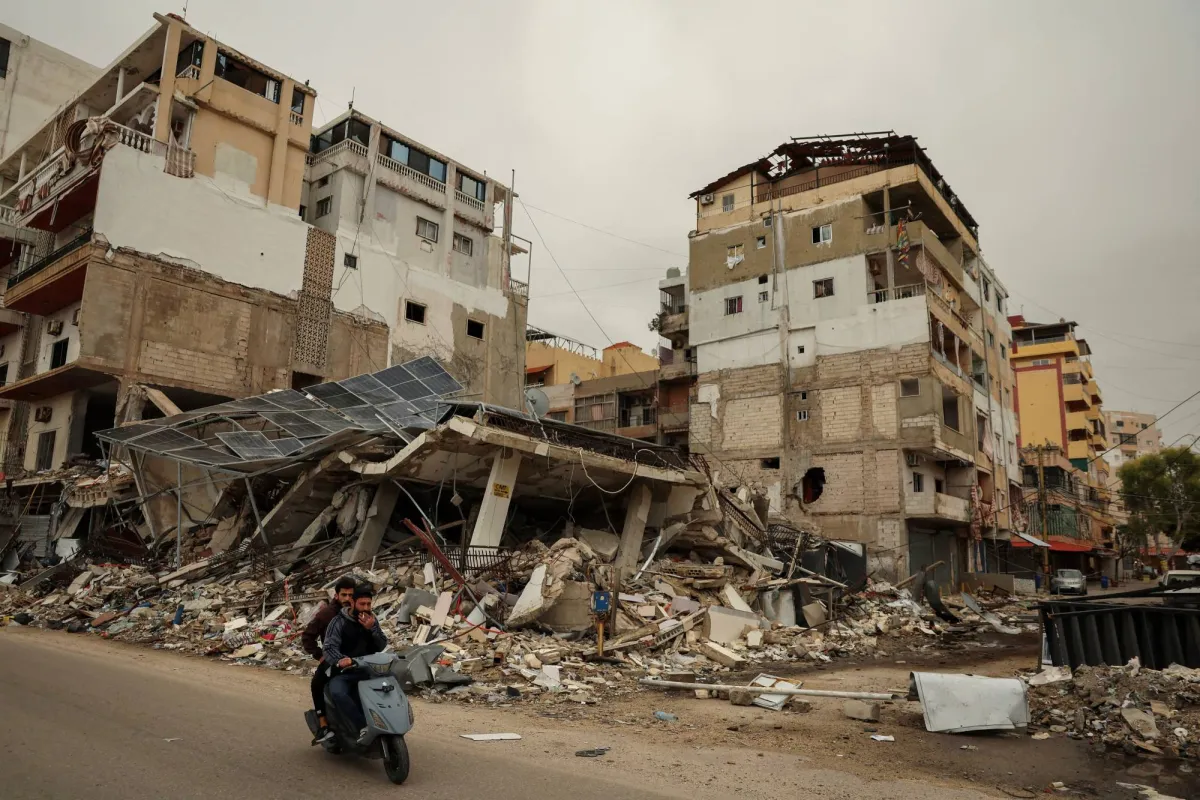
According to the latest toll from the Ministry of Health, the war has resulted in the deaths of 1,422 people and the displacement of over one million people. The Israeli army also conducted airstrikes on three buildings in the city of Tyre, leading to widespread destruction. Reports indicate that the strikes targeted civilian areas, raising international concern about the humanitarian impact of the conflict.
At the same time, Hezbollah continues to target several towns in northern Israel, complicating the security situation in the region. Another Israeli soldier was reported killed in the clashes, reflecting the escalating intensity of the conflict.
Regional Significance
These events serve as another reminder of the complexities of the conflict in the Middle East, where regional and international interests intersect. The ongoing fighting in Lebanon directly affects stability in the region and heightens tensions between neighboring countries.
In conclusion, recent developments indicate that the conflict in southern Lebanon may enter a new phase of complexity, as Israel seeks to achieve its security objectives without the need for direct occupation, which could lead to a continuous escalation of violence and humanitarian suffering.