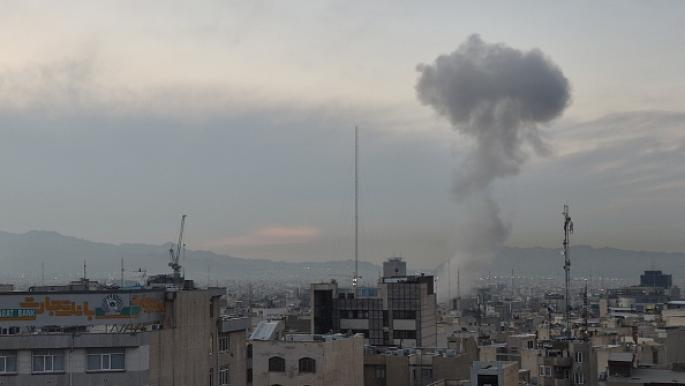
Israel is preparing for a major military escalation against Iran, following the expiration of the deadline set by former U.S. President Donald Trump. This deadline was intended to pressure Tehran to open the Strait of Hormuz and reach an agreement concerning its nuclear activities.
These developments come at a highly sensitive time, as tensions between Iran and the United States have escalated, threatening the stability of the region. Israeli military sources have confirmed that the Israeli Defense Forces are formulating detailed plans for potential military operations against Iranian facilities.
Details of the Situation
Reports indicate that Israel has begun to bolster its military presence in the region, focusing on enhancing its air and naval capabilities. Israeli officials have suggested that potential strikes may target sensitive sites in Iran, including nuclear facilities.
Unusual military movements have also been observed at Israeli military bases, reflecting the army's readiness to execute complex military operations. These operations are expected to include the use of drones and precision missiles to strike designated targets.
Background & Context
Historically, relations between Israel and Iran have been tense, with Israel viewing Iran as a major threat to its national security. Since the U.S. withdrawal from the Iranian nuclear deal in 2018, tensions have significantly escalated, leading to a series of retaliatory attacks between the two parties.
Iran has also enhanced its military capabilities in recent years, increasing Israeli concerns. These dynamics have led to a continuous escalation in military rhetoric between both sides, threatening the outbreak of a large-scale conflict in the region.
Impact & Consequences
If Israel proceeds with its attacks, it is likely to provoke strong reactions from Iran, potentially intensifying the conflict in the region. Any military escalation could also impact global oil prices, given the significance of the Strait of Hormuz as one of the world's most crucial maritime routes.
Furthermore, these developments may increase tensions between major powers, particularly the United States and Russia, as both seek to enhance their influence in the Middle East.
Regional Significance
Neighboring Arab countries are on high alert, as any military escalation could affect the stability of the entire region. Gulf states are likely to be particularly affected due to their geographical proximity to Iran.
These events may also lead to a reassessment of security and defense strategies among Arab nations, potentially prompting them to strengthen military alliances with major powers.
In conclusion, the situation in the region remains tense, with concerns about a military escalation that could alter the balance of power in the Middle East. The international community must closely monitor these developments and work to prevent any escalation that could lead to widespread conflict.