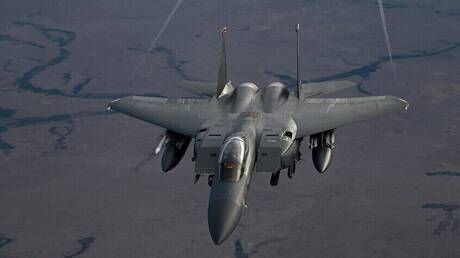
Israeli military preparations are ramping up in anticipation of heightened US responses following Iran's downing of an American fighter jet. Reports indicate that Tel Aviv is preparing for an additional two weeks of conflict, reflecting its concerns over the repercussions of this incident.
The recent incident, where Iran downed an American drone, could be a turning point in relations between Washington and Tehran, placing Israel on high alert. Israeli officials believe that the administration of President Donald Trump may take more severe measures in response to this act, which could escalate tensions in the region.
Details of the Incident
In detail, Iran shot down an American drone, eliciting strong reactions from US officials. This incident is not the first of its kind, but it comes at a sensitive time as tensions between the United States and Iran escalate. Israel, which views Iran as an existential threat, is closely monitoring the situation.
Israeli reports suggest that Tel Aviv may take preemptive actions, including bolstering its military presence in the region. These preparations are part of a long-term Israeli strategy to counter Iranian threats, whether direct or indirect.
Background & Context
Historically, relations between Iran and the United States have been tense for decades, especially following the Islamic Revolution in 1979. These tensions directly impact regional security, with Israel being one of the countries most affected by these relations. In recent years, Iran has increased its military activities in the region, prompting Israel to enhance its defensive capabilities.
The downing of the American drone occurs amid rising Iranian military activities, including its support for militias in Iraq and Syria. This situation places Israel in a sensitive position as it seeks to maintain its national security amid increasing threats.
Impact & Consequences
The potential consequences of this incident could be far-reaching. If the Trump administration decides to take military action against Iran, it could lead to significant escalation in the region. This escalation may involve direct military operations or intensified economic sanctions, further heightening tensions.
Israel, which sees itself at the heart of this conflict, may find itself compelled to respond to any escalation by Iran or its allies. This situation could lead to military escalation in the region, threatening regional stability.
Regional Significance
The tensions between Iran and the United States directly affect Arab countries, where fears of military escalation that could impact neighboring states are rising. Many Arab nations, especially those in the Gulf, are closely monitoring the situation, as any escalation could affect their security and stability.
At the same time, some Arab countries may seek to strengthen their alliances with the United States and Israel to counter Iranian threats. These dynamics could lead to changes in regional alliances, complicating the political landscape in the area.
In conclusion, upcoming developments in this conflict remain a significant point of interest, as American reactions may determine the course of events in the region. Israel, closely monitoring the situation, is preparing to confront any developments that may affect its national security.