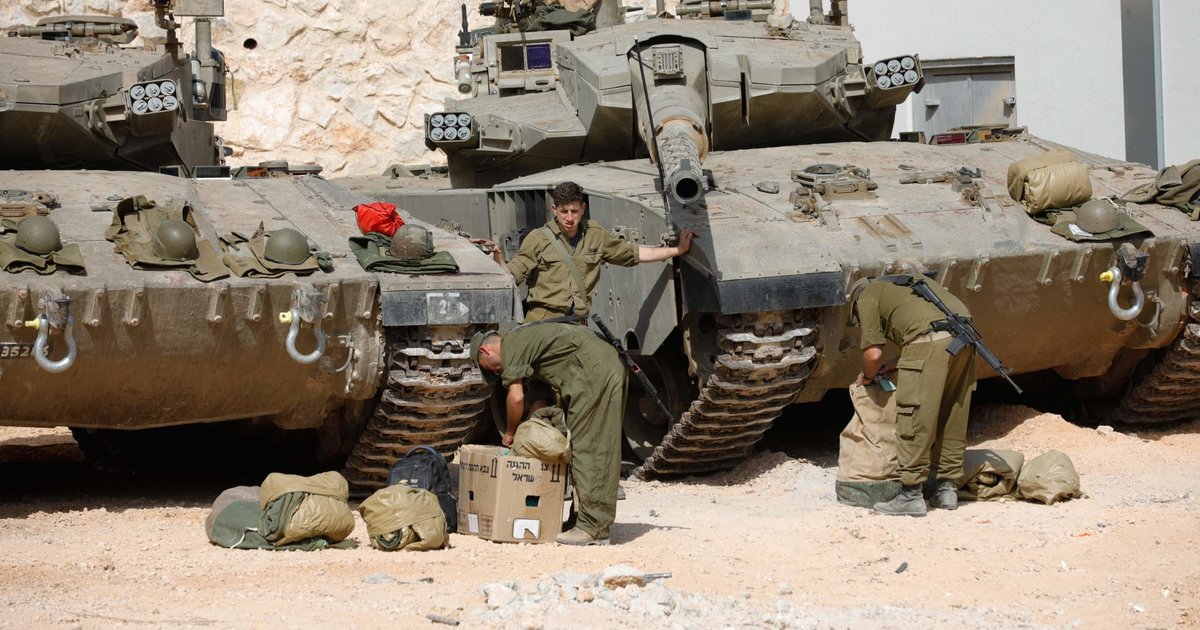
On Thursday, Tel Aviv announced that it has received 8,000 tons of weapons, ammunition, and military equipment since the onset of the U.S.-Israeli war against Iran on February 28. This information was disclosed in an official statement from the Israeli Ministry of Defense, which highlighted the ongoing supply and shipping efforts during Operation Lion's Roar, the name Israel has given to its continuous aggression against Iran.
The statement noted the arrival of the latest shipment of arms, reflecting the ongoing military support Israel receives from its allies, particularly the United States and Germany. This support comes at a sensitive time as tensions in the region escalate, and concerns about Iranian threats increase.
Details of the Military Shipments
The military shipments received by Israel include a diverse range of weapons and ammunition, including air defense systems and heavy weaponry. These shipments have been delivered as part of joint efforts between the United States and Germany, as both countries seek to enhance Israeli military capabilities in the face of regional threats.
These developments come at a time when fears are rising over Iran's nuclear activities, as Tehran seeks to advance its nuclear program, further intensifying tensions in the region. Tel Aviv has repeatedly asserted that it will not allow Iran to possess nuclear weapons, keeping it in a state of constant alert.
Background & Context
Historically, relations between Israel and Iran have been extremely tense, with Israel viewing Iran as an existential threat. Since the Islamic Revolution in 1979, relations between the two countries have deteriorated continuously, leading to recurring conflicts and military tensions.
In recent years, Israel has increased its military operations against Iranian targets in Syria, aiming to prevent Iran from bolstering its military presence near Israeli borders. This military escalation is part of an Israeli strategy aimed at undermining Iranian influence in the region.
Impact & Consequences
These military shipments could escalate tensions in the region, as Iran may respond to these moves by enhancing its military capabilities or conducting retaliatory operations against Israeli interests. Additionally, these developments may affect relations between Arab states and Iran, as some Arab countries may feel concerned about the increasing Iranian influence in the region.
Moreover, U.S. and Israeli military support could strengthen Tel Aviv's position in any future negotiations regarding the Iranian nuclear program, making it difficult to reach a comprehensive agreement that ensures security in the region.
Regional Significance
These developments are of significant importance to the Arab region, as they may lead to increased tensions between Arab states and Iran. Many Arab countries are concerned about the growing Iranian influence, especially in light of recent events in Iraq, Syria, and Lebanon.
Furthermore, military support for Israel may impact peace efforts in the region, as some parties may believe that military escalation will only exacerbate conflicts rather than achieve peace and stability.
In conclusion, the situation in the region remains complex, with regional and international interests significantly intertwined. The continued military support for Israel could lead to heightened tensions, prompting Arab states to adopt cautious stances regarding these developments.