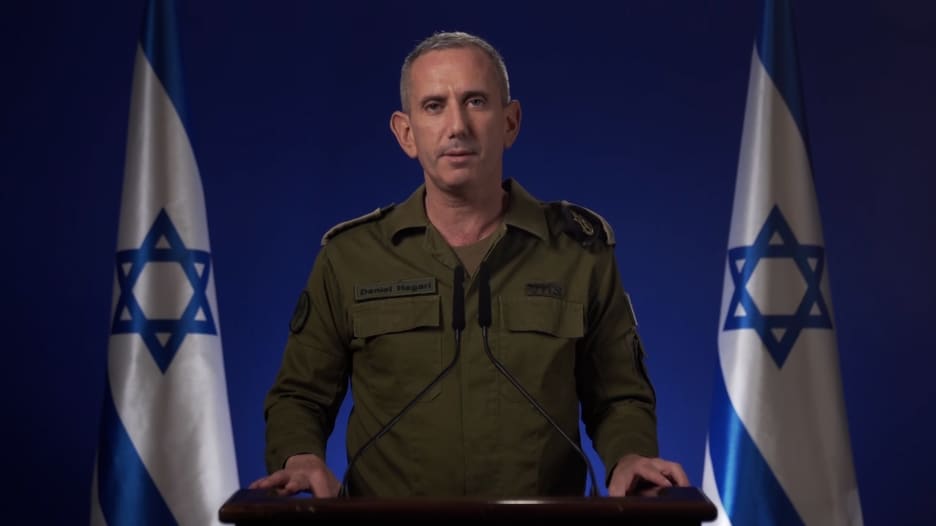
In a surprising move, Pakistani sources revealed that Israel has removed both Iranian Foreign Minister Abbas Araghchi and Parliament Speaker Mohammad Baqer Qalibaf from its assassination list, responding to an official request from the Pakistani government. A Pakistani official confirmed that this step was taken after warnings that the elimination of these officials would lead to the closure of dialogue channels with Iran, potentially escalating tensions in the region.
According to the official, Israel had accurate information about the locations of these officials and was planning to target them. However, Pakistan, which plays a crucial role in mediating between Iran and the United States, intervened with Washington to request that Tel Aviv retract this step, to which the Americans responded positively.
Details of the Event
These developments come at a sensitive time in the region, where tensions between Iran and Israel are escalating, especially amid ongoing military escalation between the two sides. The Pakistani official noted that the United States was keen on maintaining communication channels with Iran, and the assassination of prominent officials like Araghchi and Qalibaf would mean losing these channels.
This move by Israel is seen as a shift in its strategy towards Iran, as Tel Aviv has followed a policy of targeted assassinations against prominent Iranian figures in recent years. However, it seems that international pressures, particularly from Pakistan, have influenced its decision.
Background & Context
Historically, relations between Iran and Israel have been extremely tense, with Iran considering Israel its arch-enemy. Since the Islamic Revolution in 1979, Iran has pursued an antagonistic policy towards Israel, leading to escalating military and political tensions between the two sides. In recent years, the region has witnessed an escalation in military operations, including cyberattacks and targeted assassinations.
In this context, Pakistan plays an important role as a mediator, seeking to improve relations between Iran and the United States. Islamabad has expressed its willingness to mediate on various regional issues, reflecting its desire to enhance stability in the region.
Impact & Consequences
This step by Israel is seen as an indicator of potential changes in its strategies towards Iran. It may serve as a message to Tehran that Tel Aviv is willing to negotiate, while at the same time retaining its right to defend itself. Additionally, this development could open the door for further dialogue between Iran and the United States, which may contribute to easing tensions in the region.
On the other hand, this step could enhance Pakistan's position as a regional mediator, potentially opening new opportunities in its foreign policy. This dynamic may contribute to improving relations among Islamic countries, especially in light of the common challenges they face.
Regional Significance
Considering the potential impact of this development on the Arab region, it could help alleviate tensions between Iran and Arab countries, particularly those concerned about Iranian influence. Strengthening dialogue between Iran and the United States may improve relations between Tehran and Arab nations, contributing to regional stability.
In conclusion, this step remains a focal point for observers, reflecting changes in Israeli policy towards Iran and highlighting Pakistan's role as a mediator in regional issues. As tensions continue, there is hope that these developments will lead to more dialogue and stability in the region.