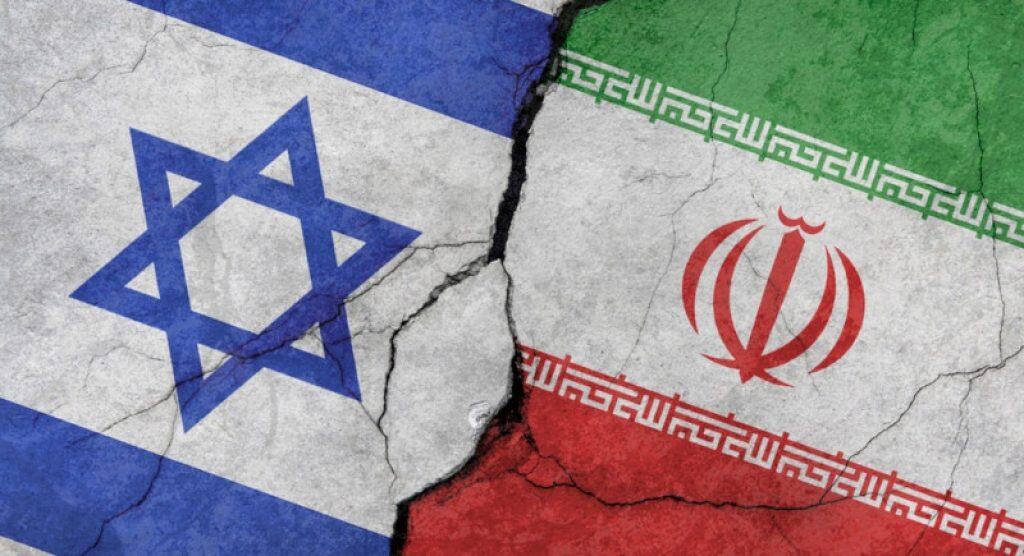
Israeli sources have reported that the Israeli government is striving to push Iran into a state of unprecedented isolation and weakness by implementing multiple strategies aimed at reducing its regional influence. These steps are part of Tel Aviv's efforts to counter the threats posed by Tehran to Israeli national security.
Israel aims to enhance its cooperation with traditional allies in the region, including Arab countries, to confront the challenges posed by Iran. This strategy is considered part of a comprehensive plan aimed at diminishing Iran's ability to influence regional conflicts.
Details of the Developments
Reports have revealed that Israel has taken concrete steps to bolster its alliances, including conducting joint military exercises with Gulf countries and expanding security and intelligence cooperation. Tel Aviv is also looking to exploit the current tensions between Iran and Western countries to strengthen its position in the region.
The Israeli strategy also involves targeting Iranian activities in Syria, where Tehran continues to support armed groups that threaten Israel's security. These activities are seen as part of Iran's efforts to bolster its military presence in the region, which increases Israeli concerns.
Background & Context
Historically, relations between Israel and Iran have seen increasing tensions since the Islamic Revolution in 1979. These relations have further deteriorated with Iran's development of its nuclear program, which Israel views as an existential threat. In recent years, Israeli fears have grown regarding Iran's increasing influence in Iraq, Syria, and Lebanon.
In this context, Israel is working to build new alliances with Arab countries, especially following the normalization agreements it has signed with some Gulf states. This regional cooperation is part of Israel's efforts to confront the Iranian threat.
Impact & Consequences
If Israel succeeds in achieving its objectives, it could lead to a radical shift in the balance of power in the region. Reducing Iranian influence may enhance the stability of neighboring countries, but it could also provoke violent reactions from Tehran and its allies.
This strategy may also escalate tensions in the region, increasing the likelihood of new conflicts. At the same time, Israel could benefit from strengthening its relations with Arab countries, which may contribute to achieving its security goals.
Regional Significance
These developments are of significant importance to the Arab region, as they may affect the relationships between Arab countries and Iran. If Israel succeeds in isolating Iran, it could lead to a reshaping of alliances in the region, potentially benefiting some Arab states.
However, Arab countries must be cautious of potential escalation, as any increase in tensions could negatively impact security and stability in the region. Therefore, balancing cooperation with Israel while maintaining relations with Iran will be a significant challenge.
In conclusion, Israel is striving to achieve its goals through multiple strategies aimed at reducing Iran's influence. However, the challenges it faces in this context may lead to complex repercussions for security and stability in the region.