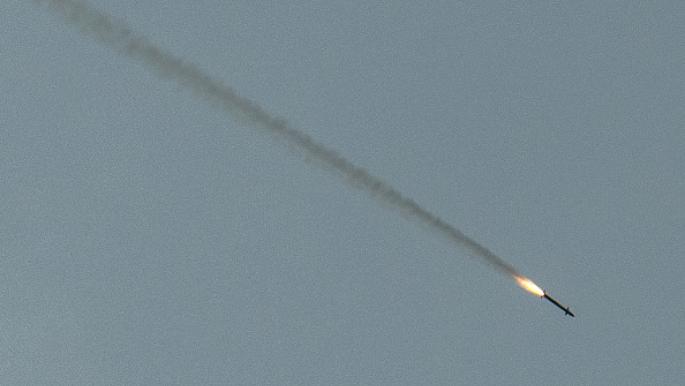
Israel's security industries have recently announced a threefold increase in the production of interceptor missiles and aerial munitions. This step is part of Tel Aviv's efforts to bolster the capabilities of the occupying army to face the increasing security threats in the region.
Through this increase in production, Israel aims to meet the needs of its military, particularly amid ongoing tensions in the area. This move is considered part of a comprehensive strategy to enhance Israeli national security, at a time when challenges from armed groups and neighboring countries are on the rise.
Details of the Production Increase
The increase in production focuses on developing advanced interceptor missiles, such as the "Iron Dome" system, which has proven effective in intercepting incoming rockets. It also includes aerial munitions used in various military operations. This decision follows a comprehensive assessment of Israeli military needs under current conditions.
This step is also a direct response to recent developments in the Israeli-Palestinian conflict, where the region has witnessed a noticeable escalation in hostilities. Israeli military officials have indicated that enhancing defensive capabilities is vital to ensuring the safety of Israeli civilians.
Background & Context
Historically, Israeli military industries have been among the most advanced in the world, with the Israeli government investing heavily in defense technology development. These investments have contributed to enhancing Israel's ability to confront security threats, whether from neighboring countries or armed groups.
Over the years, Israel has experienced numerous wars and conflicts, prompting it to develop advanced defensive strategies. The "Iron Dome" system is one of the most prominent of these strategies, designed to intercept short- and medium-range rockets. As tensions increase, it appears that Israel is further strengthening its defensive capabilities.
Impact & Consequences
The increase in interceptor missile production could lead to heightened tensions in the region. While Israel seeks to enhance its security, neighboring countries and armed groups may interpret this move as a threat, potentially leading to military or political responses.
Moreover, this increase in production may affect the balance of power in the region, as neighboring countries might also feel compelled to bolster their military capabilities. This could lead to a new arms race in the Middle East, further exacerbating instability.
Regional Significance
This step is part of a broader context related to the Israeli-Palestinian conflict and its impact on Arab countries. With rising tensions, Arab nations may find themselves compelled to reassess their defensive strategies, especially in light of increasing threats from Israel.
Furthermore, these developments could affect relations between Arab countries and Israel, as they may intensify criticism directed at Tel Aviv in international forums. Arab nations are expected to respond to these events in a manner that safeguards their interests and national security.
In conclusion, the increase in interceptor missile production in Israel reflects the ongoing security challenges it faces and highlights the need for advanced defensive strategies under current circumstances. However, this move could lead to escalating tensions in the region, necessitating strategic positions from Arab countries to address these challenges.