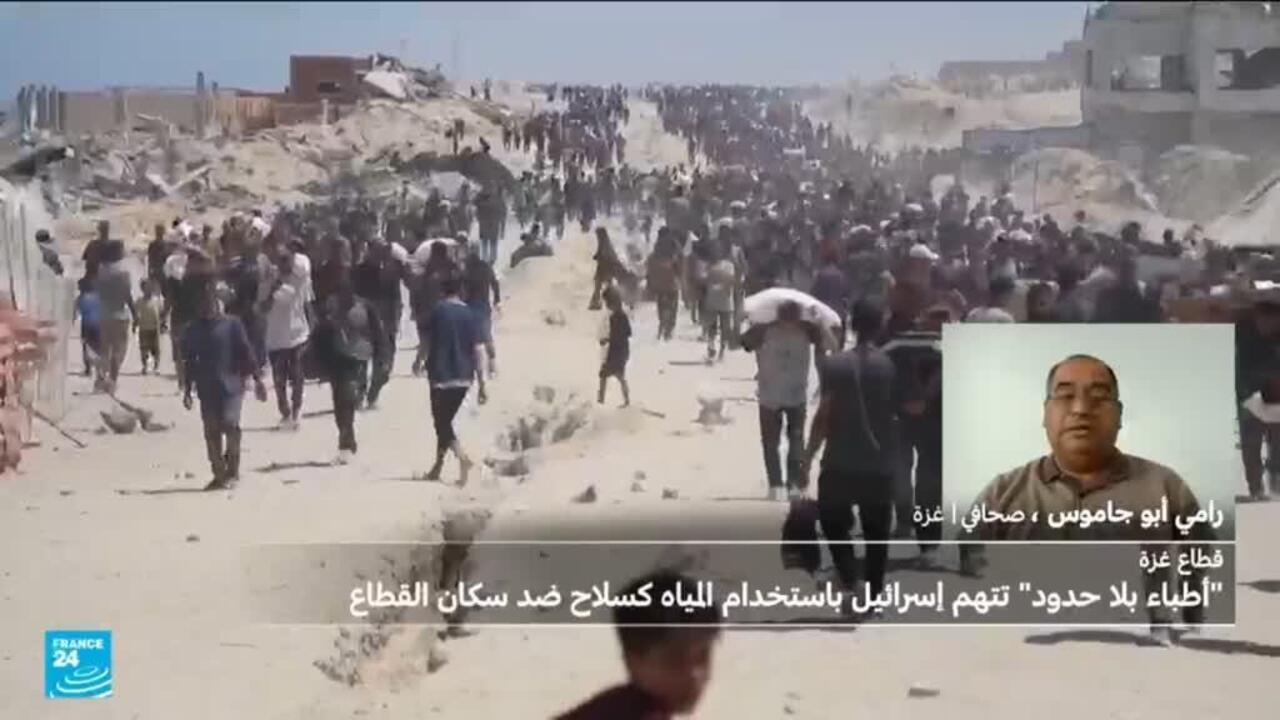
Doctors Without Borders has released its latest report titled "Water as a Weapon," indicating that Israel intentionally deprives the residents of Gaza of essential water for life, which represents collective punishment against Palestinians. The report, published on Tuesday, sheds light on the humanitarian aspects of the water crisis in the region, where residents are suffering from a severe shortage of potable water.
Water is one of the fundamental resources necessary for human survival; however, the situation in Gaza is worsening. According to the report, Israel is using water as a means to exert pressure on Palestinians, exacerbating the humanitarian conditions in the area. The report noted that this behavior is a clear violation of international laws that prohibit using essential resources as a means of punishment.
Details of the Crisis
The humanitarian crises in Gaza are escalating, with over two million Palestinians living under a suffocating blockade. The report clarifies that a significant portion of the available water in Gaza is unsuitable for use, forcing residents to rely on unreliable sources. It also highlighted that many families are suffering from diseases caused by water contamination, further straining the already collapsed healthcare system in the region.
Human rights violations in Gaza include the deprivation of Palestinians' access to water, which is considered part of the collective punishment policy pursued by Israel. The organization confirmed that these policies directly impact the lives of children, women, and the elderly, who are the most vulnerable in such circumstances.
Background & Context
Historically, Gaza has faced recurring water crises, but the current situation has reached unprecedented levels. The blockade imposed on the region since 2007 has led to the deterioration of water infrastructure, with desalination plants and distribution networks suffering damage. Additionally, restrictions on the entry of materials necessary for repairing these facilities exacerbate the problem.
These crises coincide with rising political tensions in the region, as Israel continues its military operations in Palestinian territories. This situation reflects the ongoing conflict between Palestinians and Israelis, which has far-reaching implications for security and stability in the area.
Impact & Consequences
The impact of depriving Palestinians of water extends to all aspects of daily life. Water is not only essential for drinking but also for agriculture and industry, affecting the local economy. Furthermore, the lack of water leads to the spread of diseases, increasing the burden on a healthcare system that is already suffering from resource shortages.
Many humanitarian organizations are striving to provide assistance; however, the restrictions on movement and access to affected areas hinder relief efforts. This situation raises international concern, with increasing calls for the international community to intervene and lift the blockade on Gaza.
Regional Significance
The water crisis in Gaza is not merely a local issue; it has implications for security and stability across the Arab region as a whole. The Israeli-Palestinian conflict affects relations among Arab states and heightens tensions in the area. Additionally, the humanitarian crises in Gaza evoke feelings of solidarity among Arab peoples, potentially leading to political movements in the future.
In conclusion, the situation in Gaza requires urgent attention from the international community. Concrete steps must be taken to end the blockade and ensure access to water and essential resources for Palestinians. Ignoring these crises will only exacerbate the humanitarian situation, threatening peace and stability throughout the region.