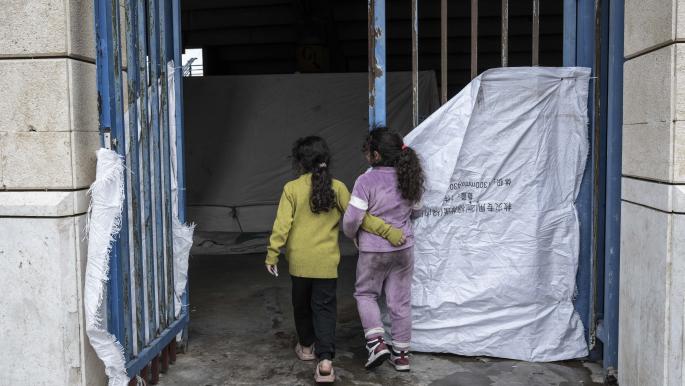
UNICEF reports that ongoing Israeli aggression in Lebanon has displaced over 370,000 children in less than a month, with a daily average of 19,000. These figures highlight the escalating humanitarian crisis in the country.
The suffering of children in Lebanon is increasing as they face harsh conditions due to the ongoing conflict. They are living in difficult circumstances, away from their homes and families, which heightens their risk of violence and exploitation.
Details of the Incident
According to reports from UNICEF, the Israeli aggression that began in early last month has significantly impacted the lives of children in Lebanon. With the continued shelling and clashes, many children have been forced to flee their homes in search of safety.
Data shows that children make up a large percentage of the displaced population, underscoring the urgent need for protection and care for them. Reports indicate that many of these children have lost one or both parents, complicating their psychological and social situations.
Background & Context
Historically, Lebanon has witnessed numerous armed conflicts, but the current situation is one of the most complex crises. The ongoing Israeli aggression against Lebanon occurs amid rising regional tensions, where political and military interests intersect.
Since the onset of the aggression, the number of displaced individuals has significantly increased, reflecting the instability of the security situation in the country. In these circumstances, humanitarian organizations face major challenges in providing necessary assistance to those affected.
Impact & Consequences
The humanitarian consequences of the Israeli aggression on Lebanon will be far-reaching. The children who are being displaced today will face significant challenges in the future, including a lack of education and healthcare. The loss of education during this critical stage of their lives could greatly affect their future.
Moreover, the psychological state of the affected children may require years of psychological and social support for recovery. Ongoing instability may lead to widespread feelings of anxiety and depression among children, impacting their overall mental health.
Regional Significance
The humanitarian crisis in Lebanon is not just a local issue; it has implications for the entire Arab region. The escalation of violence in Lebanon could exacerbate situations in neighboring countries, potentially leading to new waves of refugees.
Additionally, the situation in Lebanon may provoke international reactions, possibly resulting in political or military interventions in the region. The stability of Lebanon is a crucial part of the stability of the Middle East, and any escalation in the conflict could affect neighboring countries.
In conclusion, the situation in Lebanon requires an urgent response from the international community. Significant efforts must be made to protect the affected children and provide them with the necessary humanitarian assistance. The future of these children depends on an effective and swift response from all concerned parties.