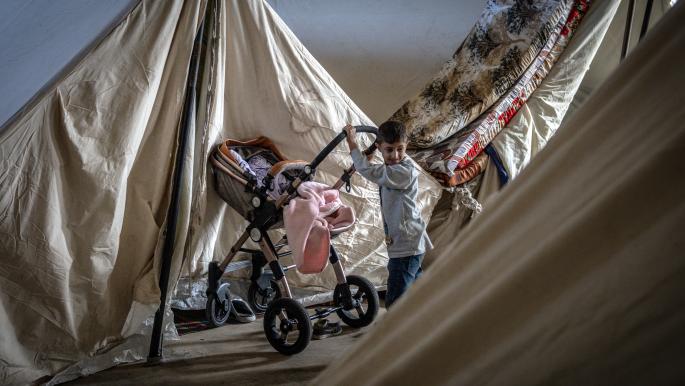
As Palm Sunday celebrations, which were eagerly awaited in Lebanon, approached, a somber atmosphere overshadowed the festivities due to the ongoing Israeli aggression. The death toll has risen to 1238 martyrs, significantly impacting the joy of citizens on this blessed day.
Palm Sunday is considered an important religious occasion for Christians, celebrated in many countries, including Lebanon. However, this year, the holiday arrives amid tragic circumstances, as Israeli attacks on Palestinian territories continue, leading to heightened tensions in the region.
Details of the Event
While Lebanese streets were expected to express the joy of the holiday, the atmosphere was charged with sorrow. Reports indicated that paramedics attempting to save lives in the affected areas were targeted, exacerbating the suffering of civilians. Furthermore, reports revealed that the Israeli aggression was not limited to military targets but also extended to infrastructure and health facilities, worsening the humanitarian crisis.
These events come at a sensitive time, as Lebanon grapples with severe economic and social crises, complicating the situation further. With the ongoing aggression, concerns are growing about Lebanon's ability to face these challenges, especially with the increasing number of displaced persons and refugees.
Context and Background
Historically, Lebanon has witnessed numerous crises and wars, but the recent Israeli aggression is considered one of the most challenging periods. The country has experienced a rise in tensions in recent years, particularly following recent events in Palestine. Additionally, the political situation in Lebanon suffers from instability, complicating matters and making it difficult for the government to take effective measures to protect civilians.
Palm Sunday symbolizes hope and renewal, but this year, it highlights the fragility of the situation in Lebanon. While the holiday is celebrated, many suffer from the loss of loved ones and homes, raising questions about the country's future.
Consequences and Impact
The continuation of Israeli aggression has serious implications for Lebanon and the entire region. With the rising number of martyrs and injured, pressure on the struggling health system is increasing, threatening the lives of many. Moreover, the deteriorating economic situation makes it difficult for the government to provide necessary assistance to those affected.
Furthermore, the escalation of violence could exacerbate political and social crises in Lebanon, increasing the likelihood of further tensions. In this context, it becomes essential for the international community to intervene to protect civilians and ensure their rights.
Impact on the Arab Region
What is happening in Lebanon is not just a local crisis; it has far-reaching effects on the Arab region. The Israeli-Palestinian conflict is considered one of the central issues in the Arab world, and any escalation in this conflict could lead to widespread reactions in neighboring countries.
Concerns are growing that the situation in Lebanon could lead to greater escalation of regional tensions, potentially threatening stability in countries like Syria and Jordan. Additionally, the continuation of Israeli aggression may enhance feelings of Arab solidarity with the Palestinian cause, potentially leading to new political movements in the region.
In conclusion, the current situation in Lebanon underscores the urgent need for peace and stability. As the aggression continues, hope remains that international efforts will be made to end the conflict and achieve justice for the affected civilians.