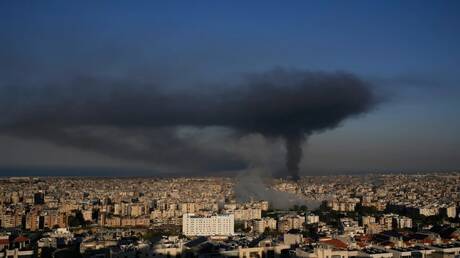
The Lebanese Ministry of Health has reported a significant increase in the death toll from Israeli aggression against Lebanon, which has now reached 1530 dead and 4812 injured since the onset of attacks on March 2. This escalation occurs at a time when the country is suffering from multiple crises, exacerbating the hardships faced by its citizens.
The Israeli attacks have targeted various areas in Lebanon, including residential neighborhoods and infrastructure, leading to widespread destruction and affecting the lives of thousands. Reports indicate that many of the victims are women and children, highlighting the tragic nature of the conflict.
Details of the Ongoing Conflict
Israeli forces continue to carry out military operations in Lebanon, focusing their attacks on border areas and regions believed to harbor resistance elements. These operations have resulted in the displacement of many families, increasing the strain on humanitarian services in the country.
Simultaneously, international calls for a ceasefire are growing, as human rights organizations express concern over the rising number of casualties. Some Lebanese cities have witnessed protests demanding an end to the aggression and support for those affected.
Background & Context
The history of the conflict between Lebanon and Israel spans decades, with the region experiencing numerous wars and disputes. Since the outbreak of the July War in 2006, tensions between the two sides have not ceased. With the escalation of political and economic crises in Lebanon, fears of a new conflict have increased.
These events come at a sensitive time, as Lebanon faces crippling economic crises, complicating the situation further. The Lebanese government is struggling with resource shortages, hindering its ability to provide assistance to those affected by the attacks.
Impact & Consequences
The military escalation has far-reaching implications for Lebanon and the region. As the number of casualties rises, pressure mounts on the Lebanese government to provide support and care for the affected. The humanitarian situation is deteriorating rapidly, necessitating urgent international intervention.
Regionally, these events could exacerbate tensions among neighboring countries, as some nations fear that the situation in Lebanon could have repercussions on the overall stability of the region.
Regional Significance
The events in Lebanon are part of a larger picture of conflict in the Middle East. With the rise in violence, concerns grow that these events may lead to a greater escalation in regional conflicts. Arab countries are closely monitoring the situation, as any escalation could impact security and stability throughout the region.
In conclusion, the situation in Lebanon requires urgent attention from the international community, as the continuation of Israeli aggression will exacerbate humanitarian crises and increase the suffering of the Lebanese people.