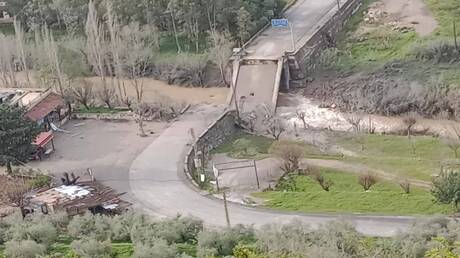
The Israeli Air Force destroyed the Qaqaya Bridge early in the morning in the Nabatiyeh district of southern Lebanon, completely severing it. This operation is considered part of a systematic campaign aimed at targeting the infrastructure of bridges and crossings over the Litani River, which raises significant questions about the strategic objectives behind this Israeli military escalation.
The bridge demolition is not a new occurrence; the region has recently witnessed a noticeable increase in Israeli airstrikes that target vital points, making the aftermath of these attacks a worrying development. Global interest in this issue is increasing, as these aggressive tactics reflect the rising tension in Israeli-Lebanese relations and signal potential escalations in security issues across the region.
Details of the Incident
The Qaqaya Bridge was completely destroyed by Israeli aircraft at dawn, and local sources confirmed that the attack was precise and effective. This strike comes amidst a recurring series that targets bridges in the area, increasing concerns about the impact of these operations on traffic and mobility within Lebanon.
Eliminating this bridge is believed to have major implications for the lives of Lebanese citizens in the Nabatiyeh district, adding to the burdens on residents who rely on these routes for their daily lives.
Background & Context
Tensions along the border between Lebanon and Israel date back many years, and despite numerous attempts to reach peace agreements and stability in the region, situations often escalate. The recurrent wars and conflicts in this area have made it difficult to establish a definitive end to the tension.
Israeli military operations have escalated recently, particularly following events related to Hezbollah, as Israel seeks to ensure its national security by launching preemptive strikes against any potential threats from Lebanon.
Impact & Consequences
The potential repercussions of this attack extend beyond mere infrastructure destruction. This escalation is expected to have a direct impact on Lebanese-Israeli relations and may contribute to increasing conflict in the region. Additionally, the destruction of bridges complicates the possibility for refugees to return to their villages, increasing the humanitarian burdens on local populations.
Rapidly unfolding events suggest that Lebanon may face deep economic and social effects, especially if attacks on infrastructure persist. As the security situation deteriorates, it may become increasingly difficult for the international community to intervene effectively to reach peaceful solutions.
Regional Significance
The Middle East is experiencing a state of instability, and current tensions with Israel reflect its renewed divisions. The escalation of violence may fuel other conflicts in the area and make achieving any sustainable peace more challenging.
Furthermore, the impact of these events transcends Lebanese borders, as extremist groups may exploit these developments to bolster their propaganda and increase their presence in the region.
In conclusion, the situation in Lebanon remains a focal point of regional and international concern, requiring urgent interventions to ensure the protection of civilians and prevent further aggravation of the conditions.