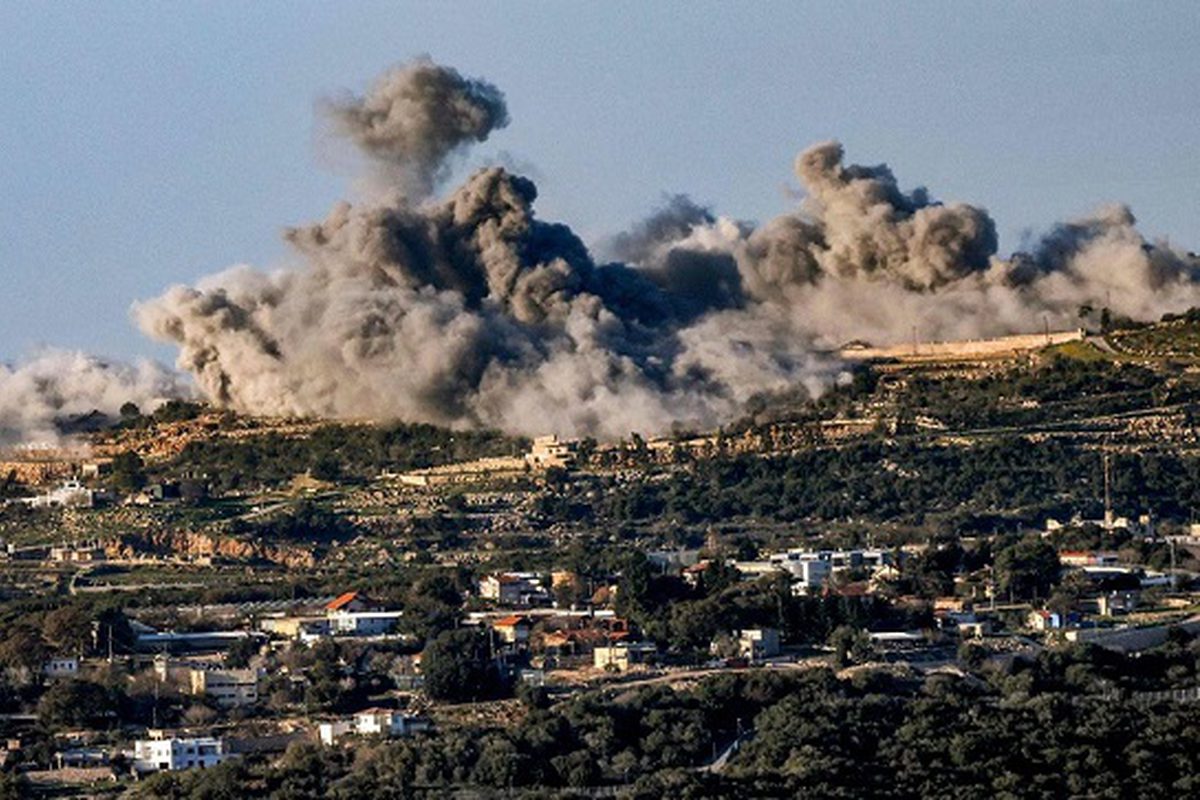
The Israeli air strikes targeting southern Lebanon this morning resulted in the martyrdom of three citizens and injuries to six others. Israeli warplanes conducted two raids, the first of which struck a motorcycle in the town of Majdal Salam, killing the rider and injuring two others who were transported to the hospital for treatment.
In the second raid, the town of Al-Haniyeh in the Tyre district faced artillery shelling, leading to the death of one person and the injury of another, who was also taken to a nearby hospital for urgent medical assistance.
Details of the Event
These air strikes come amid escalating security tensions in the area, where the National News Agency monitored a swift response from medical teams rushing to the scenes to provide first aid. The southern regions of Lebanon have recently experienced intense activity from various types of shelling, reflecting an increase in hostilities.
Analyses suggest that the Israeli military escalation is part of ongoing efforts to reduce the influence of Hezbollah in the area, particularly in light of political developments in Lebanon. The Lebanese official agency also confirmed that the Israeli forces received targets over the past few days from elements of the party.
Context and Background
Historically, relations between Lebanon and Israel have been tense, especially following the 2006 July War. Border conflicts between the two sides, including repeated assaults, complicate the regional situation further. Lebanon, suffering from a severe political and economic crisis in recent years, remains vulnerable to military interventions that impact civilians in the border-adjacent areas.
The humanitarian situation in Lebanon has deteriorated drastically, with increasing numbers of displaced persons and refugees in the country, making such military attacks a genuine threat to safety and stability. Furthermore, current conditions prompt considerations of political moves that might lead to additional escalations in violence.
Consequences and Impact
The Israeli attacks contribute to exacerbating already tense conditions, which could provoke reactions from Hezbollah forces, potentially dragging the region into a new conflict. These air strikes also serve as a warning to the Lebanese government about the fragility of security and its inability to secure the borders. All of this might lead to unprecedented escalation in the conflict affecting innocent civilians.
Moreover, these aggressive actions could worsen the political crises in Lebanon, as many Lebanese politicians look to blame the government, creating a state of long-term instability fraught with danger.
Impact on the Arab Region
Events in Lebanon represent one of the episodes in the broader Arab-Israeli conflict, which affects neighboring countries, including Syria and Palestine. The continuation of such patterns of military aggression by Israel reflects a policy of escalation it pursues, and it has been proved that such actions bolster support for extremist currents and increase the push towards resistance.
The international community and Arab states should consider proportional responses to reduce the escalation and prevent repeats of such aggressive actions in the future. The fragile security situation in Lebanon necessitates international cooperation to resolve conflicts and achieve stability in the region.
In conclusion, the martyrdom of these innocent people underscores the dire consequences of military conflict in Lebanon. Regional and international powers must work diligently towards containment and de-escalation to avoid further bloodshed and humanitarian tragedies.