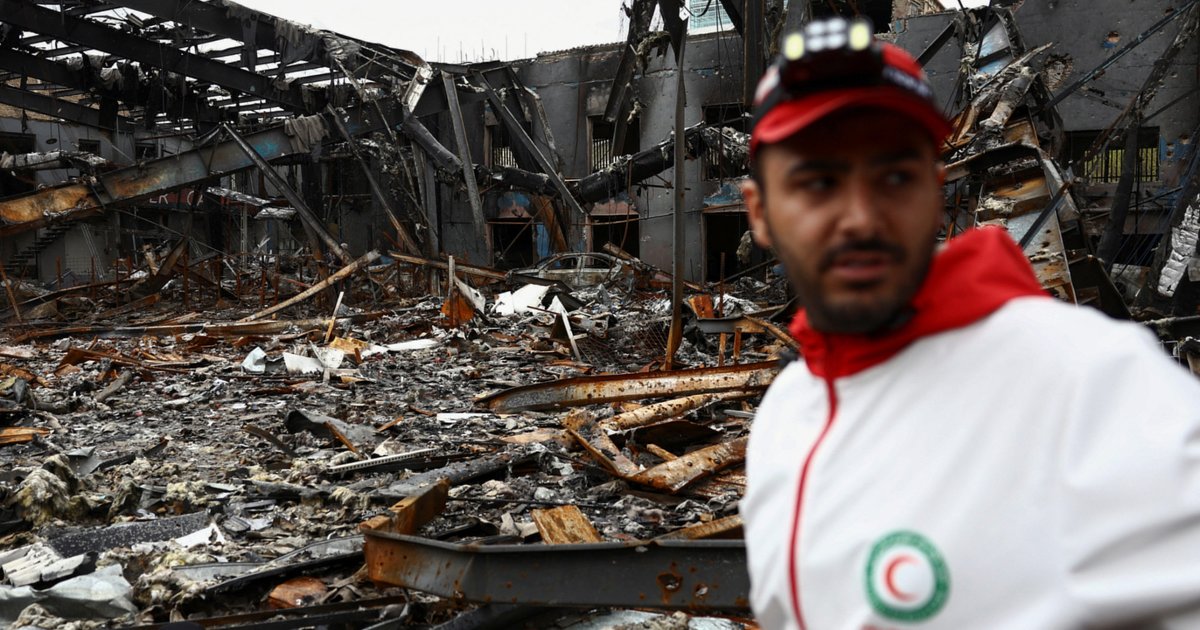
An Israeli airstrike targeted a building housing the office of Qatar's Al Arabiya channel in the Iranian capital, Tehran, on Sunday, resulting in injuries to at least ten individuals, according to the Iranian Red Crescent Society. The channel confirmed via its account on the platform 'X' that the attack caused substantial damage to the building, leading to the suspension of its live broadcasts.
Footage from the scene displayed shattered glass, debris, and damaged equipment, while other images showed surrounding streets filled with rubble and damaged neighboring buildings. This attack comes at a sensitive time as tensions in the region escalate, raising questions about the true objectives behind this strike.
Details of the Incident
The attack on Al Arabiya's office is part of a series of Israeli strikes targeting Iranian interests in the region. Al Arabiya is considered one of the prominent news channels in the Arab world, providing comprehensive coverage of events in the Middle East. The attack led to the halt of the channel's live broadcasts, affecting its ability to deliver breaking news to its audience.
Reports indicate that the strike occurred while the channel was broadcasting live reports on ongoing events in the area. The channel expressed its condemnation of the attack, emphasizing the importance of press freedom and the necessity of protecting journalists in conflict zones.
Background & Context
Historically, relations between Israel and Iran have been marked by increasing tensions, especially following the Iranian nuclear agreement in 2015. Since then, Israel has intensified its military operations against what it perceives as Iranian threats in the region. Attacks on media offices are not new, as several media institutions have previously been targeted amid the ongoing conflict between the two sides.
Al Arabiya is one of the channels that focuses on covering events in the Middle East, making it a potential target in the context of regional conflicts. The strike on its office in Tehran reflects the rising tensions in the area and suggests that Israel may be prepared to expand its military operations.
Impact & Consequences
The attack on Al Arabiya's office could have significant implications for press freedom in the region. Amid escalating tensions, journalists and media professionals may feel apprehensive about covering events in conflict areas. This attack could lead to increased restrictions on freedom of expression, adversely affecting the media's ability to fulfill its role in conveying the truth.
Furthermore, this strike may escalate tensions between Iran and Israel, increasing the likelihood of new conflicts erupting in the region. International reactions to this attack will be closely watched, as some countries may call for the protection of journalists and the assurance of freedom of expression.
Regional Significance
The attack on Al Arabiya's office in Tehran highlights the dangers faced by media outlets in the Arab region. Amid ongoing conflicts, media organizations may find themselves in the crossfire, threatening their ability to cover events objectively. This attack could serve as a wake-up call for Arab countries regarding the necessity of protecting press freedom and providing a safe environment for journalists.
Ultimately, the question remains about how this attack will affect regional and international relations. Will major powers intervene to protect press freedom, or will conflicts continue to overshadow human rights?