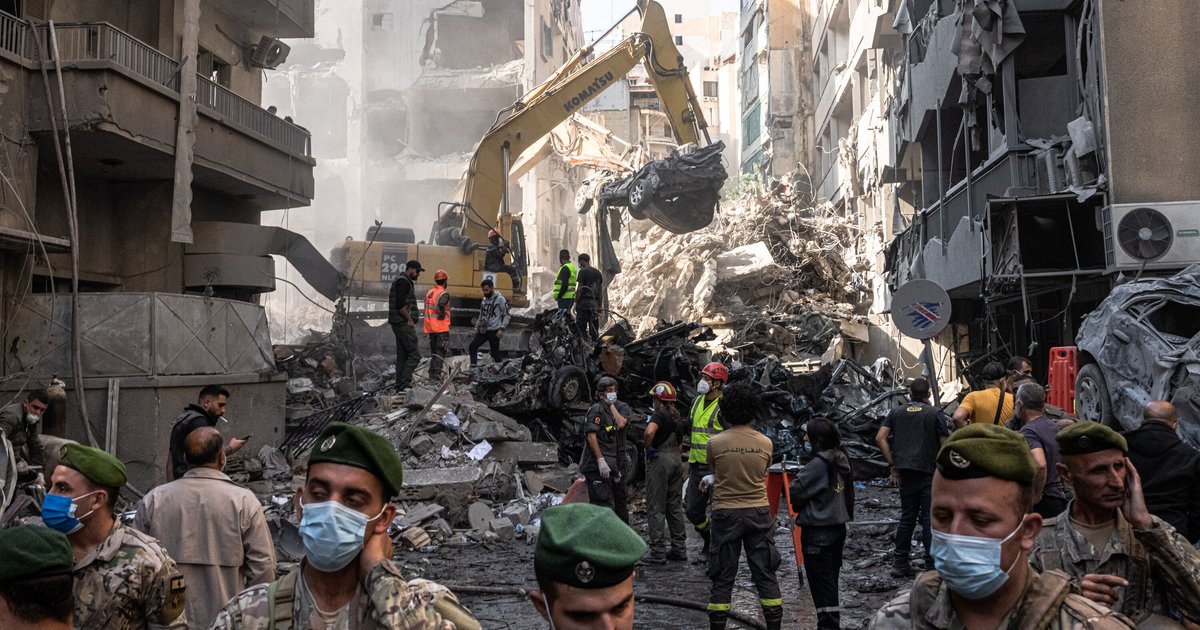
An Israeli drone strike targeted a residential apartment in Ain Saadeh Hills, Lebanon, resulting in substantial material damage. This incident occurs at a time when tensions between Lebanon and Israel are escalating, with an increase in aerial attacks recently.
Reports indicate that the strike hit a densely populated residential area, raising concerns about potential civilian casualties. Local authorities have not yet confirmed the number of victims, but initial testimonies suggest that the attack was unexpected.
Details of the Incident
The attack took place during the night, with the Israeli drone directly targeting the residential apartment. Eyewitnesses reported hearing a loud explosion, which caused panic among residents. Additionally, part of the building was destroyed, heightening concerns about civilian safety in the area.
This airstrike is part of an ongoing escalation by Israel against targets believed to be linked to Hezbollah, which the Israeli occupation views as a major threat to its security. The Lebanese government condemned the attack, asserting its right to defend its sovereignty.
Background & Context
Historically, the Lebanese-Israeli border has experienced ongoing tensions, with both parties exchanging accusations of violations. Since the 2006 war, Israeli military activities in the region have increased, leading to heightened anxiety among local populations.
Moreover, the political situation in Lebanon, which is grappling with a severe economic crisis, complicates matters further. The Lebanese government faces significant challenges in managing internal crises, making it more vulnerable to external tensions.
Impact & Consequences
Analysts expect this airstrike to escalate tensions between Lebanon and Israel, potentially opening the door to further retaliatory attacks. Public reactions may lead to protests against the Lebanese government, which could be accused of failing to protect its citizens.
Furthermore, this escalation could impact regional stability, as other powers might intervene in the conflict, complicating the security situation in the area.
Regional Significance
This incident is part of a series of events affecting regional security. Neighboring Arab countries are closely monitoring the situation, as any escalation could impact their stability.
These events also raise concerns about human rights, as civilians in the affected areas are subjected to assaults. The international community is urged to intervene to protect civilians and ensure that such incidents do not recur.
In conclusion, the situation in Lebanon remains under observation, as any further escalation could have serious repercussions on both regional and international levels.