In a new escalation of regional tensions, Israeli fighter jets targeted the Iranian naval command center in Bandar Anzali port, resulting in the destruction of several Iranian navy vessels. Israel described this strike as "one of the most significant" attacks it has carried out against Iran, highlighting the increasing strategic importance of the Caspian Sea.
The attack, which occurred last March and was documented by footage released by the Israeli military, did not take place in the Arabian Gulf but rather in the Caspian Sea, a vast body of water located hundreds of miles to the north. The Caspian Sea has gained renewed significance as a trade route connecting Russia and Iran, especially amid Western sanctions imposed on both countries.
Details of the Incident
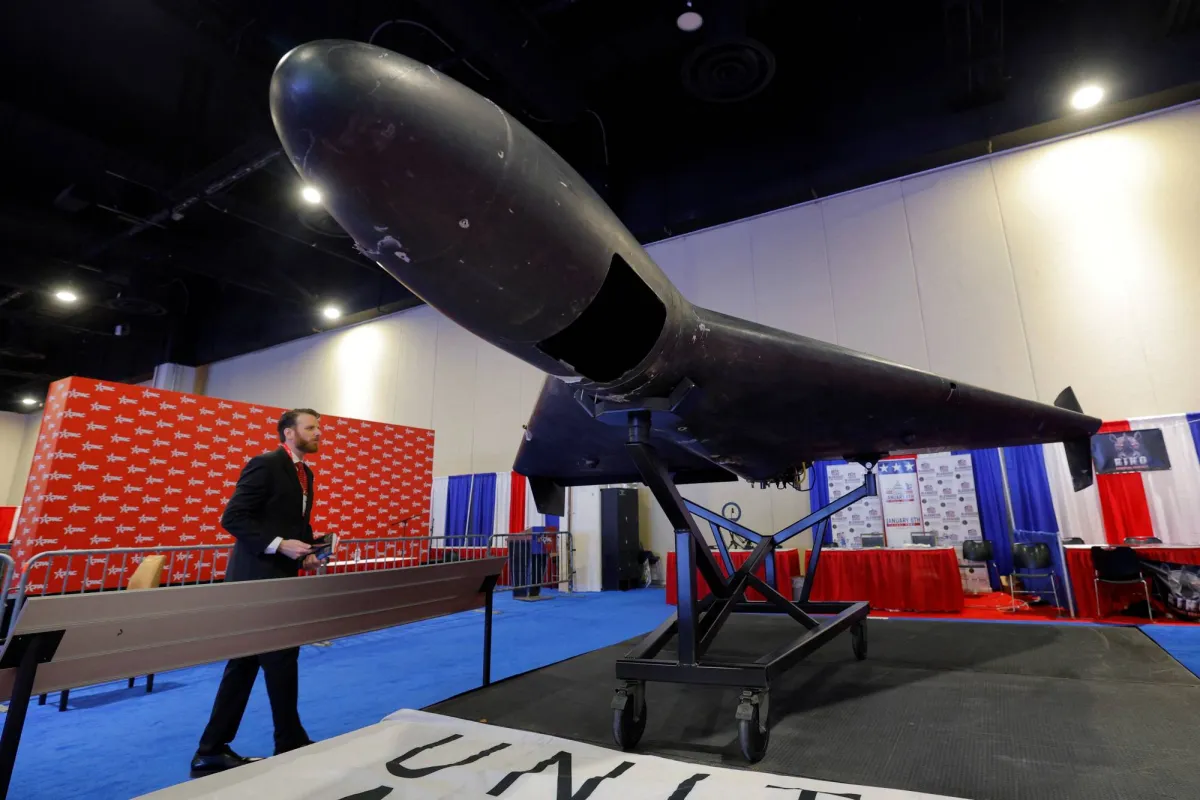
This airstrike is considered part of the ongoing conflict between Iran and Israel, with the latter seeking to undermine Iran's military capabilities. According to American officials, Russia is shipping drone components to Iran via the Caspian Sea, enhancing Iran's offensive capabilities after losing a significant portion of its drone arsenal in recent conflicts.
Attention is now focused on how these developments will affect trade movements in the region. Four Iranian ports on the Caspian Sea are operating around the clock to import essential goods such as wheat and corn, reflecting Iran's efforts to bolster its trade amid economic pressures.
Background & Context
The Caspian Sea is the largest lake in the world and is rich in natural resources. However, a significant portion of the trade passing through it remains opaque, making monitoring difficult. Ships sailing between Russian and Iranian ports often turn off their transponders, complicating tracking efforts.
While Russia and Iran publicly discuss trade in essential goods, arms trade represents a more sensitive aspect. The defense partnership between Moscow and Tehran is being strengthened through shipments of drones, raising concerns for the United States and its allies in the region.
Impact & Consequences
Concerns are growing that the continuation of these shipments will enable Iran to rapidly rebuild its military arsenal. American officials have indicated that trade has been flowing in both directions, with Iran shipping drones to Russia while Russia sends spare parts to Iran.
At the same time, Russian President Vladimir Putin faces significant challenges in managing relations with Iran, as he seeks to support it in the face of Western pressures while trying to avoid angering his Arab allies.
Regional Significance
The importance of the Caspian Sea is increasing in geopolitical calculations, as it is seen as a strategic alternative to the Strait of Hormuz, which is currently under American scrutiny. This shift could affect energy flows and global markets, impacting Arab countries that rely on the stability of these maritime routes.
In conclusion, the Caspian Sea remains a focal point in the regional and international conflict, where economic and military interests intersect, complicating the geopolitical landscape in the area.