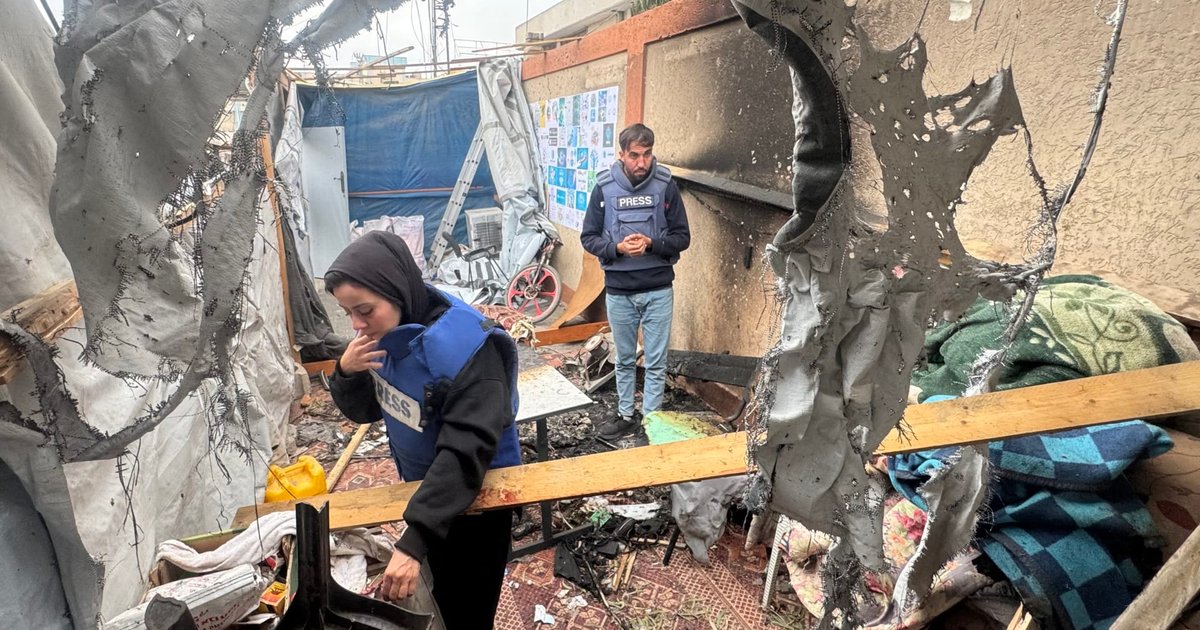
The media network 'Al-Mayadeen' reported the killing of journalist Fatima Fatouni and reporter Ali Shaib, a correspondent for the Lebanese channel 'Al-Manar', following an Israeli airstrike that targeted them in southern Lebanon. The incident took place at a time when tensions in the region are escalating, raising concerns about its implications for the security and media landscape in Lebanon.
Fatima Fatouni, who was covering ongoing events in Lebanon, was known for her courageous and professional reports. Meanwhile, Ali Shaib represented 'Al-Manar' and was recognized for his coverage of political and social events in the country. This attack highlights the dangers faced by journalists in conflict zones, where they are subjected to assaults while performing their professional duties.
Details of the Incident
According to reports, the Israeli airstrike targeted the journalists while they were in an area near the Lebanese-Israeli border. Local sources confirmed that the airstrike resulted in the immediate deaths of the journalists, provoking angry reactions from both local and international media. The incident comes amid rising violence in the region, where Israeli airstrikes have increased in various parts of Lebanon in recent weeks.
This incident is part of a series of attacks that journalists have faced in conflict areas, where many strive to shed light on ongoing events despite the significant risks they encounter. Numerous human rights and media organizations have condemned this attack, calling for the protection of journalists and ensuring their safety while carrying out their work.
Background & Context
Historically, Lebanon has witnessed numerous armed conflicts, with journalists often at the heart of events, facing assaults and threats. In recent years, tensions between Lebanon and Israel have intensified, particularly with the escalation of military activities along the border. These tensions have increased the risks faced by media outlets, making it difficult for journalists to carry out their work freely and safely.
This incident serves as a painful reminder of the challenges journalists face in conflict areas, where it takes great courage to cover events under harsh conditions. Additionally, assaults on journalists negatively impact freedom of expression and restrict access to information, which reflects on society as a whole.
Impact & Consequences
The killing of the journalists raises questions about the safety of journalists in conflict zones, where they face significant risks while covering events. This attack may lead to a decline in media coverage of events in Lebanon, as journalists may hesitate to go to hot spots. Furthermore, this incident could affect relations between Lebanon and Israel, potentially escalating tensions between the two sides.
Moreover, the killing of journalists could lead to international calls for sanctions against Israel due to human rights violations. There may be increasing pressure on the international community to take action to protect journalists and ensure their safety while performing their duties.
Regional Significance
This incident is part of the larger picture of conflict in the region, where assaults on journalists are increasing in many Arab countries. The killing of journalists in Lebanon highlights the risks faced by media professionals throughout the region, necessitating urgent action to protect press freedom.
Additionally, this incident may influence Arab public opinion, potentially leading to increased sympathy for journalists who face dangers in pursuit of truth. Under current circumstances, international solidarity is required to protect journalists and ensure freedom of expression in the region.
In conclusion, the deaths of Fatima Fatouni and Ali Shaib remind us of the sacrifices made by journalists in the pursuit of truth, and this incident should serve as a catalyst for the international community to work towards protecting journalists and ensuring their safety.