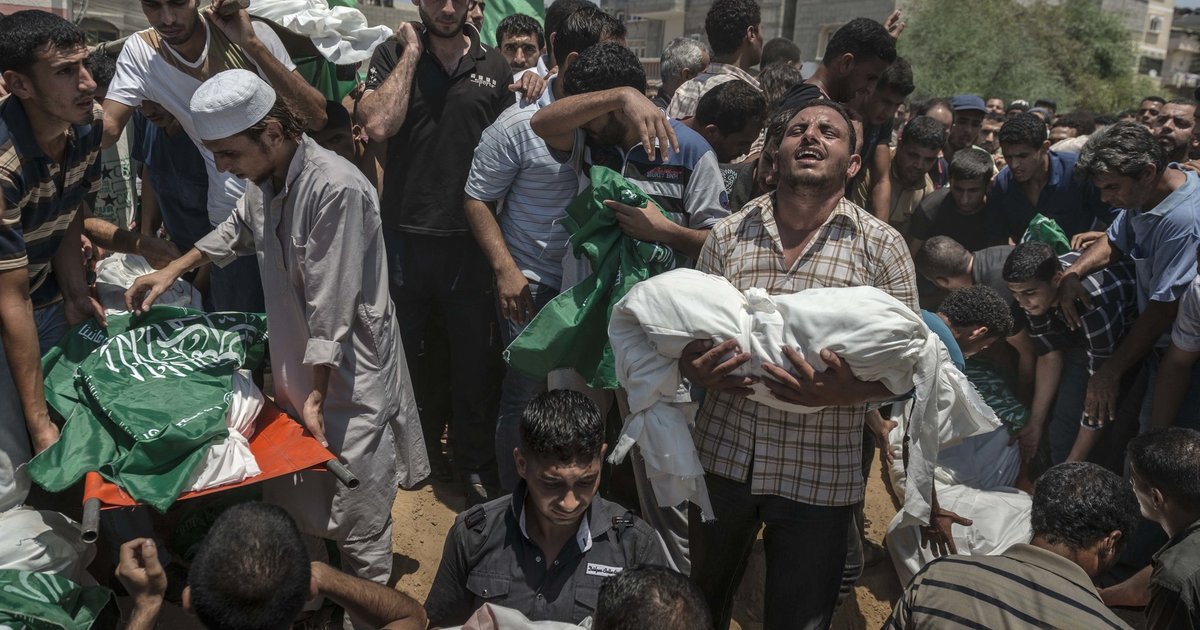
Two Palestinians were killed and a third seriously injured early Monday due to an Israeli airstrike targeting them in the Zeitoun neighborhood of Gaza City. The strike was carried out by an Israeli drone near the Asqoula intersection, where the victims were located.
According to medical sources from the Baptist Hospital, the airstrike resulted in the deaths of two Palestinian martyrs, while the injured individual was transported to the hospital for necessary treatment. This incident comes at a time when the Gaza Strip is witnessing an escalating military campaign, raising concerns among local residents.
Details of the Incident
The military operation executed by Israeli forces is part of a continuous escalation in the region, with airstrikes targeting various areas in Gaza. Eyewitnesses reported that drones were flying over the area prior to the strike, indicating intensive surveillance operations by the Israeli army.
Local sources confirmed that the airstrike was unexpected, as there were no prior warnings issued to the residents. This type of military operation raises significant concerns about the safety of civilians in Gaza, who are already suffering from dire humanitarian conditions.
Background & Context
Historically, the Gaza Strip has witnessed numerous Israeli military operations, which often result in civilian casualties. Since 2007, when Hamas took control of the territory, tensions between Israel and Palestinian factions have escalated, leading to several rounds of military confrontations.
In recent years, Israeli airstrikes have significantly increased, with the Israeli government justifying these operations as targeting military sites belonging to Palestinian factions. However, the casualties are often civilians, leading to widespread criticism from human rights organizations.
Impact & Consequences
These airstrikes exacerbate the humanitarian situation in Gaza, where residents suffer from severe shortages of essential resources such as food, water, and healthcare. The military escalation also contributes to heightened tensions between Palestinians and Israelis, hindering peace efforts in the region.
This incident is expected to provoke strong reactions from Palestinian factions and may lead to further escalation in military operations. The international community is closely monitoring the situation, with many countries calling for an end to hostilities and the protection of civilians.
Regional Significance
The events in Gaza are part of the broader Israeli-Palestinian conflict, which affects stability throughout the entire region. The increase in violence in Gaza could provoke reactions from Arab countries, which may call for international intervention or greater support for the Palestinians.
These events also raise concerns among neighboring countries, which fear the implications of the conflict on their own security and stability. Given the current circumstances, the hope for achieving lasting peace remains elusive, complicating the regional situation.
In conclusion, Gaza remains a center of ongoing tensions, where residents live under the threat of bombardment and daily threats. The continuation of these military operations will only worsen the humanitarian conditions, necessitating urgent action from the international community to end the cycle of violence.