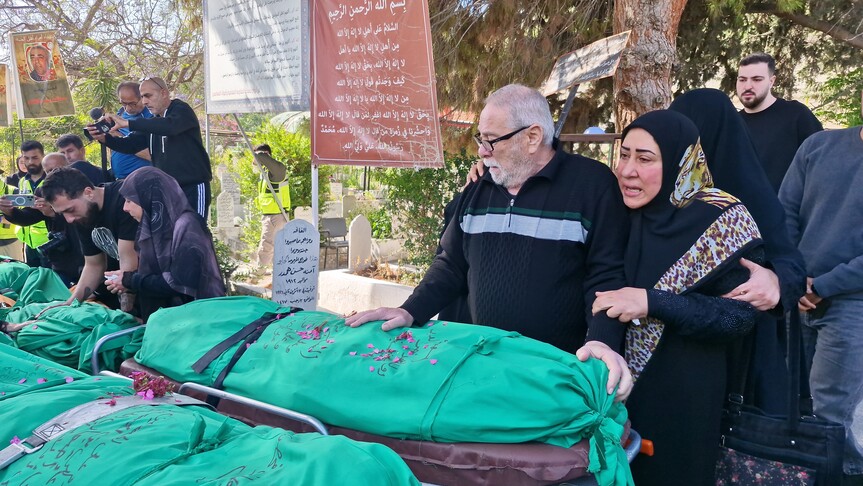
Two Syrian individuals were killed in an Israeli drone strike targeting a motorcycle on the road between Qlayla and Deir Qanoun in the Tyre region of southern Lebanon, according to Lebanese media reports. The incident occurred late yesterday, raising widespread concerns about the rising tensions in the area despite existing ceasefire agreements.
This airstrike comes amid a backdrop of increasing Israeli military operations in Lebanon, where attacks on targets believed to be linked to Hezbollah or other armed groups have surged. The recent strike underscores Israel's ongoing policy of targeting individuals it deems threats to its security, even in the sensitive circumstances currently facing the region.
Details of the Incident
According to reports, the Israeli drone targeted the motorcycle as it passed along the road between Qlayla and Deir Qanoun, resulting in the immediate deaths of the two individuals. Israel has not disclosed details of the attack, but it typically justifies such operations as necessary for protecting its national security.
This incident follows a series of reciprocal attacks between Israeli forces and armed factions in Lebanon, complicating the security situation in the area. This attack is considered part of a broader Israeli strategy aimed at undermining Hezbollah's influence in Lebanon.
Background & Context
Historically, the Lebanese-Israeli border has witnessed ongoing tensions, with several wars and conflicts over the decades. Since 2006, when the Second Lebanon War erupted, the situation has become more complex, with Hezbollah continuing to enhance its military capabilities. This airstrike occurs at a sensitive time as the international community seeks to calm tensions in the region.
In recent years, Israel has increased its military operations in Syria and Lebanon, targeting sites believed to be used by Iran and its allies. This escalation reflects Israeli concerns over Iran's growing influence in the region, which it perceives as a direct threat to its security.
Impact & Consequences
This airstrike could escalate tensions between Israel and Hezbollah, increasing the likelihood of a new conflict in the region. There are fears that such operations may provoke reactions from armed factions, potentially dragging Lebanon into a cycle of violence.
Furthermore, this incident may affect relations between Lebanon and the international community, as the rising violence is viewed as a threat to regional stability. It is crucial for the international community to intervene to de-escalate tensions and prevent further casualties.
Regional Significance
The events in Lebanon hold significant importance for neighboring Arab countries, as they can impact regional security. The rising tensions in Lebanon could reignite conflicts in other areas, especially given the political and sectarian divisions many Arab countries face.
Additionally, the situation in Lebanon serves as an indicator of how Arab nations handle security challenges, necessitating greater coordination among countries to address common threats. Ultimately, hope remains pinned on peace and stability efforts in the region.