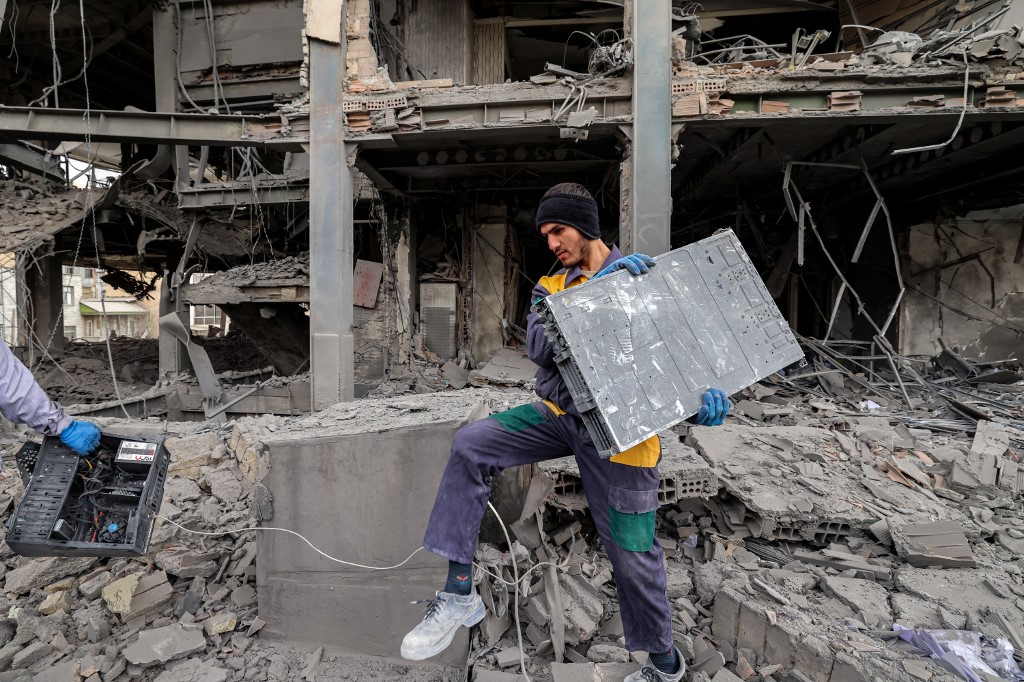
Israeli occupation aircraft launched an airstrike on the southern suburbs of Beirut on Monday, according to the French news agency. This airstrike is the first since last Friday, as the region has been experiencing escalating military tensions since the beginning of March, leading to the evacuation of many areas from their residents.
This airstrike comes at a sensitive time, as Lebanon suffers from severe economic and political crises, complicating the security situation in the country. Previous airstrikes have resulted in the destruction of numerous facilities and infrastructure, negatively impacting civilian life.
Details of the Incident
Israeli airstrikes typically target areas believed to harbor elements affiliated with Hezbollah or other military objectives. Reports indicate that the southern suburbs of Beirut, which had been experiencing a relative calm, have now become a frequent target for airstrikes. This military escalation reflects an Israeli strategy aimed at pressuring Hezbollah and weakening its military capabilities.
Since the beginning of March, Lebanon has witnessed a series of airstrikes that have destroyed many targets, leaving the population in a state of anxiety and anticipation. Images from the area have shown the extent of the destruction inflicted on homes and public facilities, exacerbating the suffering of residents who are already grappling with economic crises.
Background & Context
The roots of the conflict between Lebanon and Israel stretch back decades, with the region having experienced numerous wars and conflicts. The most recent was the 2006 war, which resulted in widespread destruction in Lebanon. Since then, tensions between the two sides have persisted, with an increase in Israeli attacks on Lebanese territory under various pretexts, including countering what it perceives as threats from Hezbollah.
In recent years, the intensity of tensions in the region has escalated, particularly following increased military activities by Hezbollah, which the Israeli occupation considers a direct threat to its security. Additionally, the political situation in Lebanon, marked by internal divisions and severe economic crises, complicates matters further.
Impact & Consequences
Israeli airstrikes directly affect civilian life in Lebanon, contributing to the worsening of humanitarian crises. Many Lebanese live in fear and anticipation, prompting them to leave their areas in search of safety. These airstrikes could also lead to greater military escalation, increasing the likelihood of a broader conflict in the region.
Politically, these airstrikes may increase pressure on the Lebanese government, which is already facing significant challenges in managing internal crises. They may also provoke reactions from Hezbollah, which may feel compelled to respond to these attacks, further raising the potential for military escalation.
Regional Significance
These airstrikes are part of a broader context of tensions in the region, affecting many Arab countries embroiled in ongoing conflicts. The conflict between Lebanon and Israel has direct implications for the security and stability of neighboring countries, such as Syria and Palestine. Furthermore, military escalation could impact peace efforts in the region and complicate relations between Arab states and Israel.
In conclusion, the situation in Lebanon remains under close observation, as any further escalation could have serious repercussions at the regional level. Many are looking for peaceful solutions to end these crises and restore stability to the region.