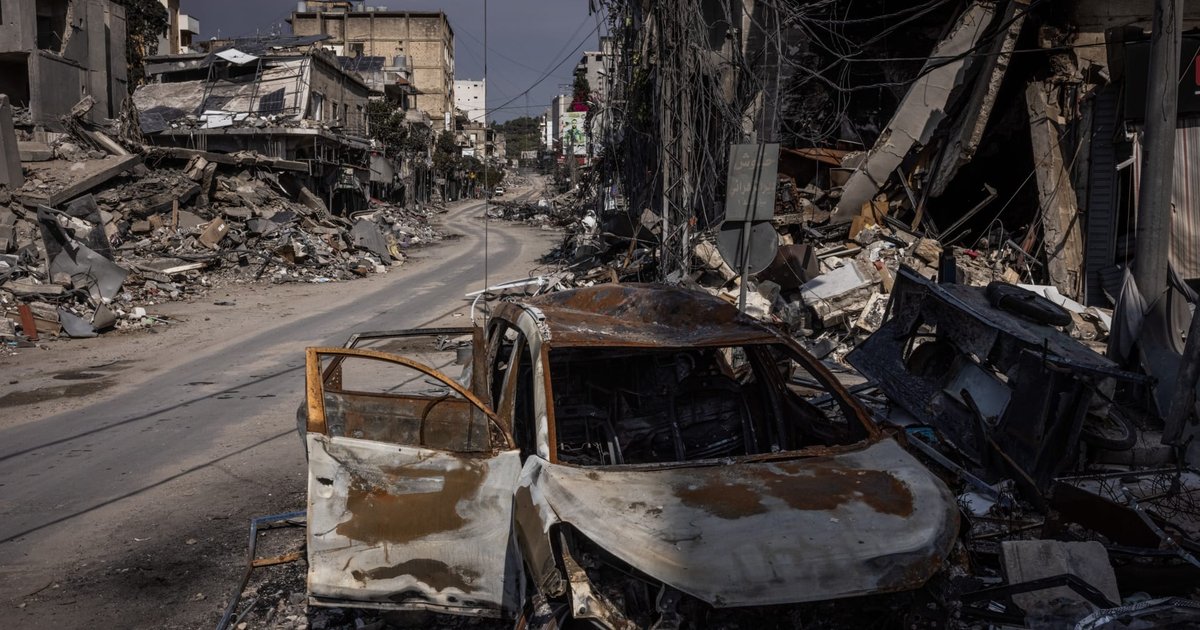
An Israeli airstrike targeted the southern suburbs of Beirut on Friday afternoon without any prior warning from the Israeli army. Lebanese media reported strong explosions in the Tahawit al-Ghadir area, where previous strikes had resulted in two fatalities.
Footage from Agence France-Presse showed smoke rising from the targeted area, reflecting the severity of the strike. The National News Agency in Lebanon confirmed that Israeli warplanes carried out a "very heavy" strike on the area, causing panic among local residents.
Details of the Incident
This airstrike comes at a sensitive time, as the southern suburbs of Beirut had earlier that same day experienced strikes that led to the deaths of two individuals. These events reflect escalating tensions in the region, with growing fears of a larger military escalation between Israel and the Lebanese Hezbollah.
The southern suburbs of Beirut are considered a stronghold of Hezbollah, which adopts a policy of resisting Israeli occupation. The area has witnessed numerous Israeli attacks in recent years, often targeting sites affiliated with the party or facilities believed to be connected to it.
Background & Context
Historically, relations between Lebanon and Israel have been marked by ongoing tensions, especially following the Lebanese Civil War (1975-1990) and the Israeli war on Lebanon in 2006. Since then, Israel has continued to carry out airstrikes on Lebanese territory, claiming to target military sites belonging to Hezbollah.
In recent years, the intensity of these airstrikes has increased, particularly with the rise of regional tensions, including the conflict in Syria, where Hezbollah is considered a key player. Additionally, the situation in Gaza and developments in the Israeli-Palestinian conflict play a role in heightening tensions among the various parties involved.
Impact & Consequences
This airstrike indicates the potential for greater escalation in the conflict between Israel and Hezbollah, which could lead to serious repercussions for regional security. The Lebanese resistance may respond to these airstrikes, further intensifying the conflict and exacerbating the humanitarian situation in Lebanon.
Moreover, these events could affect relations between Lebanon and the international community, as they may demonstrate the instability of the security situation in the country, impacting investments and tourism, and increasing the suffering of the Lebanese people who are already grappling with economic and social crises.
Regional Significance
This airstrike is part of a broader conflict in the region, where Israeli interests intersect with the situations in Syria and Palestine. Any military escalation could have negative effects on neighboring countries, including Jordan and Syria, where refugees may flow or border tensions may escalate.
Furthermore, these events may influence relations between Arab countries and Israel, especially amid normalization attempts between some Arab nations and Israel. Arab governments may find themselves in a difficult position, needing to balance national interests with public pressure against Israeli aggressions.
In conclusion, the situation in Lebanon remains tense, and the recent Israeli airstrikes appear to reflect an escalation in the conflict that could have wide-ranging implications for security and stability in the region.