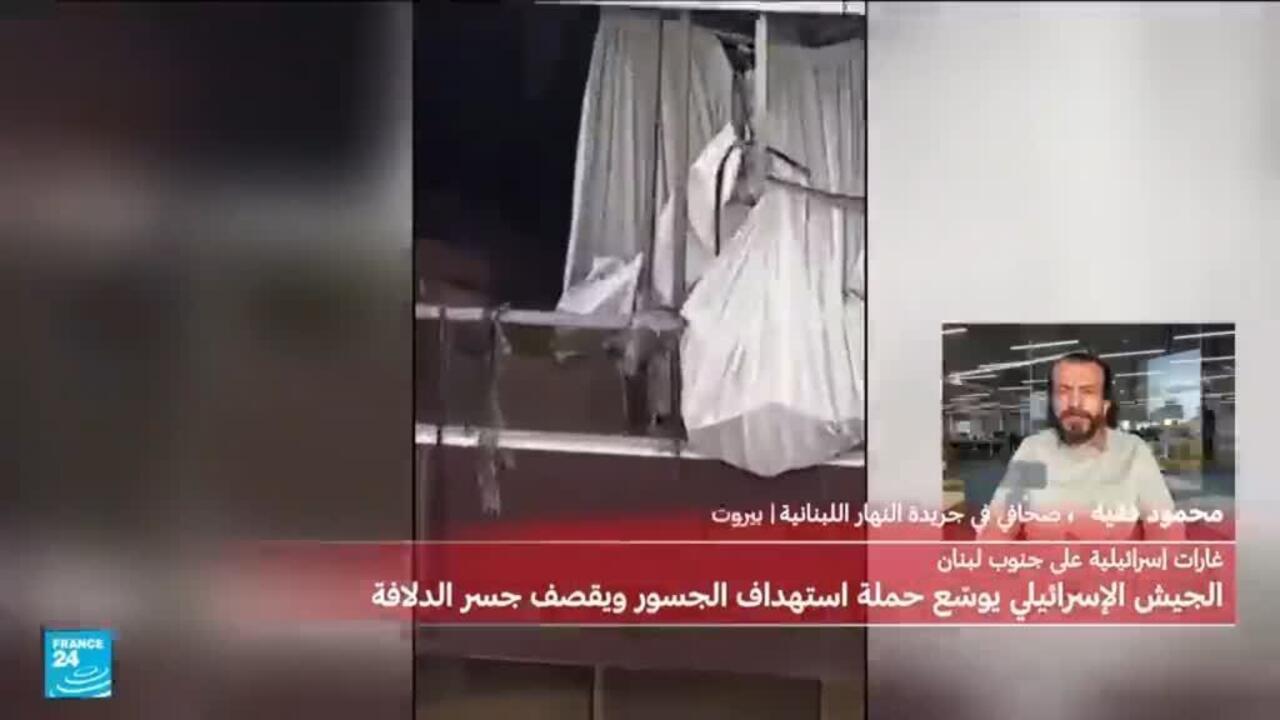
An Israeli airstrike on Monday targeted a residential apartment located in the Hazmieh area near Beirut, bringing back memories of previous tensions between Lebanon and Israel. This strike occurred after a period of relative calm in the Lebanese capital and its southern suburbs, leading to heightened security concerns in the region.
Israeli military operations in Lebanon are not new, but the timing of this airstrike following a period of relative stability raises several questions about the true motivations behind it. Israel continues to target what it claims are military sites belonging to Hezbollah, complicating the situation in Lebanon and undermining ongoing de-escalation efforts.
Details of the Incident
According to eyewitness accounts, Israeli warplanes were seen flying over the area prior to the airstrike. The attack targeted an apartment believed to have been used for military purposes, but it remains unclear whether there were any casualties or collateral damage.
Through its military operations, Israel aims to undermine Hezbollah's military capabilities, viewing it as a significant threat to its national security. This attack comes at a time when Lebanon is experiencing complex political and economic developments, making the country more susceptible to chaos and tension.
Background & Context
The relationship between Lebanon and Israel is characterized by ongoing tension, having fought a devastating war in 2006. Since then, the borders between the two sides have seen repeated military activities and exchanges of fire. Israel has targeted various areas in Lebanon, claiming to eliminate security threats.
It is worth noting that Hezbollah, which plays a prominent role in the Lebanese political and military landscape, is considered the main force opposing Israel in the region. Since its establishment in the 1980s, the party has managed to build a network of fortifications and weapons, making it a key player in the conflict.
Impact & Consequences
The Israeli airstrike comes at a time of heightened security tension in Lebanon, which could lead to broader escalation in the region. Analysts suggest that such operations may affect internal Lebanese relations, as the populace may unite under the banner of resisting foreign intervention, potentially increasing Hezbollah's popularity.
On the international front, these developments could influence the policies of major powers in the Middle East. Global stakeholders are watching the conflict with concern, and the international community is working to find effective solutions to ensure security and stability in Lebanon.
Regional Significance
These events remind Arabs of the complexities of the security situation in the region, where any escalation could reignite old conflicts and affect the stability of neighboring countries. Many nations, especially those suffering from foreign interventions, are monitoring the situation with anxiety and anticipation.
In conclusion, recent events highlight the complexity of conflicts in the Arab world, where national security intertwines with political and social dimensions. The question remains how Lebanon will address these challenges and whether the Israeli airstrike will contribute to further escalation.