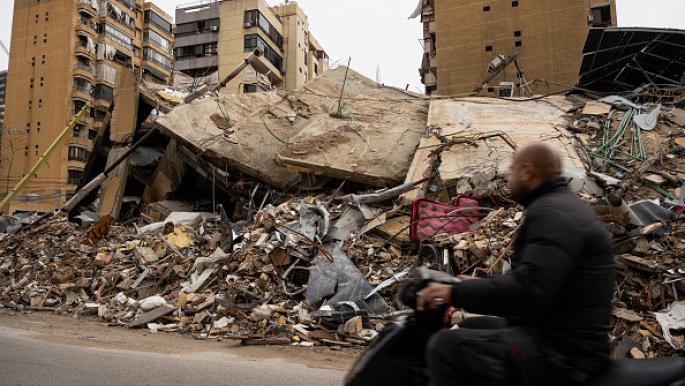
Israel is intensifying its aggression against Lebanon at an unprecedented pace, shifting its targeting from traditional frontline positions to vital infrastructure. Recent airstrikes have resulted in the destruction of several bridges, leading to casualties and injuries among civilians.
This Israeli escalation comes at a sensitive time, as Israeli forces seek to isolate Lebanese areas from each other, exacerbating the suffering of civilian populations and complicating the humanitarian situation in the country.
Details of the Event
In recent hours, Israeli warplanes have launched intensive airstrikes on multiple regions in Lebanon, targeting bridges and main roads. Reports have documented a number of casualties, including children and women, raising concerns about the deteriorating humanitarian conditions in the country.
These airstrikes are part of an Israeli strategy aimed at weakening Lebanese infrastructure, focusing on areas with active movement, thereby making it more difficult for civilians and essential goods to move.
Background & Context
Historically, Lebanon has experienced numerous conflicts with Israel, where infrastructure has always been a target of Israeli airstrikes. Since the outbreak of the latest conflict, tensions have escalated, leading to unprecedented military escalation in the region.
These events coincide with the political and economic crises facing Lebanon, where the Lebanese people are grappling with significant challenges in securing their basic needs. This situation makes it difficult for the Lebanese government to respond to external threats.
Impact & Consequences
Estimates indicate that the Israeli military escalation will exacerbate the humanitarian situation in Lebanon, where residents are already suffering from severe shortages of basic resources. Additionally, the destruction of infrastructure will negatively impact the Lebanese economy, which is already facing multiple crises.
Moreover, this escalation could increase tensions between Lebanon and Israel, threatening to ignite a broader conflict in the region and complicating peace and stability efforts.
Regional Significance
The events in Lebanon are part of a larger picture of conflicts in the region, where other Arab countries are affected by ongoing tensions. The escalation of Israeli aggression may ignite a new wave of protests in Arab countries, increasing pressure on governments to respond to these crises.
At the same time, these events may enhance Arab solidarity with Lebanon, as many countries seek to provide support and assistance to the Lebanese people in facing the challenges they encounter.
In conclusion, the Israeli escalation against Lebanon poses a significant threat to security and stability in the region, reflecting the ongoing challenges faced by the Lebanese people. It is crucial for international and regional efforts to be combined to curb these violations and ensure the protection of civilians.