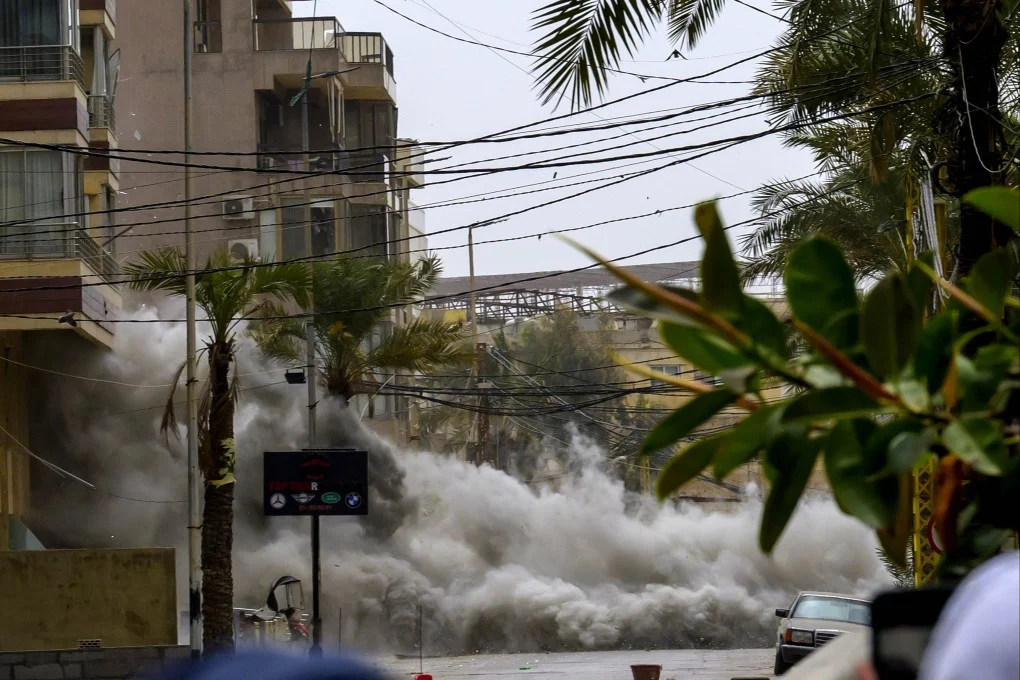
In a new escalation of tensions in the region, Israeli air forces launched strikes on various areas in Lebanon, resulting in the deaths of 11 individuals, including a young child. The first strike targeted the village of Kfar Hatta in southern Lebanon, where the Lebanese Ministry of Health reported the deaths of seven people, including a four-year-old child. Another strike on the Jnah neighborhood in Beirut resulted in four fatalities and 39 injuries.
These airstrikes come after the Israeli military issued evacuation orders for residents of Kfar Hatta, raising fears of a larger escalation in the ongoing conflict. Many observers have noted that these attacks are part of an Israeli strategy to secure what is known as the "security zone," reflecting the rising tensions between the two sides.
Details of the Incident
The recent Israeli airstrikes are part of a series of attacks that have occurred in the region in recent weeks, with increasing concerns about a larger military escalation. The strike on Kfar Hatta, which took place on Sunday, came just hours after the Israeli military issued evacuation orders for residents, raising questions about the true objectives behind these military operations.
At the same time, the attack on the Jnah neighborhood in Beirut reflects the widening scope of Israeli military operations, which are no longer limited to border areas but also include the Lebanese capital. This escalation comes at a sensitive time, as Lebanese Christians, who make up about one-third of the population, are celebrating significant religious occasions, complicating the humanitarian situation in the country.
Background & Context
Historically, Lebanon has witnessed repeated conflicts with Israel, with several wars and skirmishes over the decades. The latest conflict stems from escalating tensions between Hezbollah and Israel, with both sides exchanging accusations of inciting violence. In recent years, Israel has increased its military operations against targets in Lebanon, exacerbating the humanitarian conditions in the country.
The political situation in Lebanon is also complex, as the country suffers from crippling economic and political crises, making civilians more vulnerable to military conflicts. These airstrikes come at a time when Lebanon is grappling with multiple crises, including economic collapse and rampant corruption, further increasing the suffering of the Lebanese people.
Impact & Consequences
The recent military escalation has serious implications for regional security, as it could lead to a larger escalation in the conflict between Israel and Hezbollah. Additionally, these airstrikes may impact peace efforts in the region, with growing fears of an outbreak of a comprehensive war that could result in significant human and material losses.
Moreover, the humanitarian impacts of these airstrikes will be evident, as civilians suffer the consequences of the conflict, placing additional burdens on Lebanon's health and economic systems. Under the current circumstances, many Lebanese may find themselves in desperate situations, necessitating urgent humanitarian responses.
Regional Significance
The recent events in Lebanon are part of a larger picture concerning security in the Arab region. The escalation between Israel and Hezbollah could affect stability in neighboring countries such as Syria and Palestine, potentially leading to increased tensions among various factions. These events may also impact relations between Arab states and Israel, especially amid normalization attempts witnessed in the region in recent years.
In conclusion, the situation in Lebanon remains tense, with rising fears of a larger escalation. The current situation requires the concerted efforts of international and local actors to mitigate violence and provide humanitarian assistance to affected civilians.