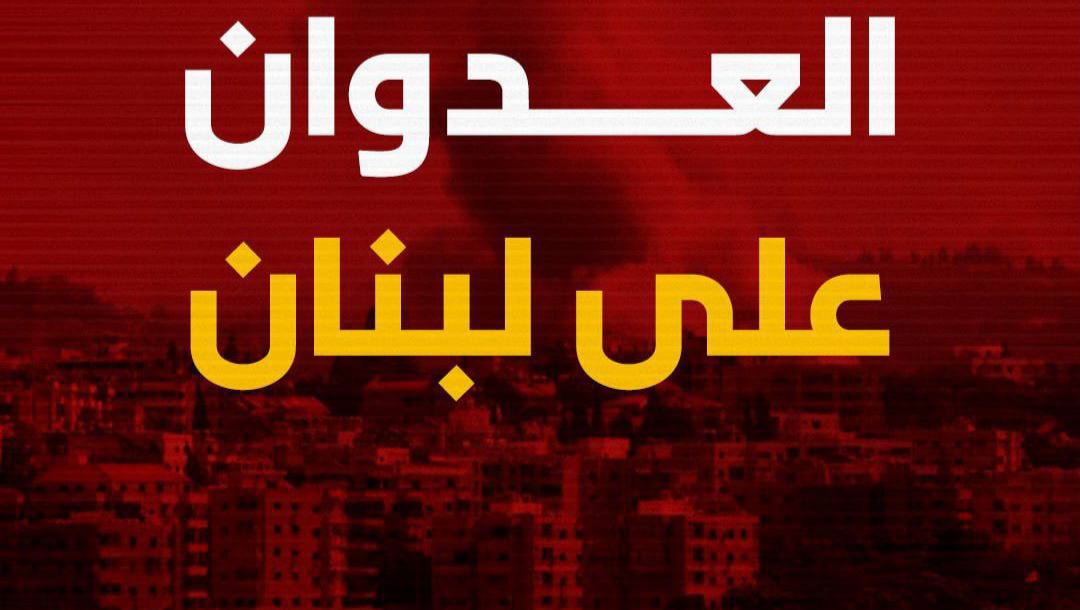
The Lebanese Ministry of Health announced that 112 individuals have been killed and 837 others injured in a series of Israeli airstrikes that targeted multiple regions in Lebanon today. These attacks occur amid escalating tensions between Lebanon and Israel, raising concerns about security and stability in the area.
Reports indicate that the airstrikes targeted residential areas and civilian facilities, leading to significant damage to infrastructure. Lebanese officials condemned these attacks, emphasizing the need to protect civilians and halt military escalation.
Details of the Incident
Israeli airstrikes on Lebanon have been ongoing for several days, with attacks concentrated in border areas. Local sources reported that Israeli warplanes bombed targets in southern Lebanon, resulting in numerous casualties. Panic has also been reported among civilian populations, who are suffering from the effects of these continuous attacks.
At the same time, the Lebanese government issued a statement condemning these aggressions, stressing Lebanon's right to defend its sovereignty and security. It also called on the international community to intervene to stop these attacks and protect civilians.
Background & Context
Historically, the Lebanese-Israeli border has witnessed recurring tensions, especially following wars that erupted between the two sides. Relations between Lebanon and Israel remain strained, as Israel views Hezbollah as a security threat, leading to escalated military actions. These tensions have increased recently, raising fears of a larger conflict in the region.
These airstrikes come at a critical time as Lebanon prepares to face significant economic and political challenges. The economic situation in Lebanon is deteriorating sharply, exacerbating the suffering of citizens and complicating government efforts to achieve stability.
Impact & Consequences
These events underscore the urgent need for dialogue and negotiation to resolve conflicts in the region. Military escalation will only worsen humanitarian conditions, especially given the difficult circumstances faced by the Lebanese people. Continued attacks may provoke reactions from Hezbollah, increasing the risk of an open conflict.
These developments are expected to affect relations between Lebanon and other Arab countries, as some nations may express solidarity with Lebanon in the face of Israeli aggressions. The international community is also called upon to intervene to stop the escalation and ensure the protection of civilians.
Regional Significance
These events are part of the larger picture of conflict in the Middle East, where political and military interests intersect. The situation in Lebanon impacts the stability of the entire region and may lead to negative repercussions for neighboring countries. Furthermore, the continuation of Israeli attacks could provoke reactions from other nations, intensifying tensions.
In conclusion, the current situation requires urgent action from the international community to protect civilians and ensure security in the region. Military escalation will not resolve crises but will increase the suffering of people and complicate peace efforts.