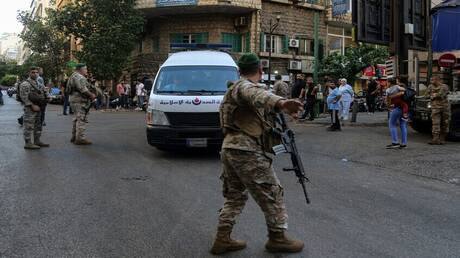
Intensive Israeli airstrikes on Lebanon today resulted in the deaths of 47 individuals and injuries to 112 others, targeting residential areas and civilian facilities, according to official sources.
This escalation comes at a time of increasing tension in Lebanon, with the strikes concentrated in multiple areas, leading to widespread destruction of infrastructure and vital facilities. Reports indicate that the victims included civilians, raising international concerns about the humanitarian situation in the country.
Details of the Incident
In the early hours of this morning, Israeli warplanes launched a series of strikes on several regions in Lebanon, including areas close to the border with occupied Palestine. The airstrikes specifically targeted residential neighborhoods, resulting in numerous casualties.
Reports indicated that the strikes also targeted civilian facilities, raising questions about international laws regarding military attacks. Local sources confirmed that many of the victims were women and children, further intensifying the humanitarian tragedy.
Background & Context
Historically, Lebanon has witnessed repeated military escalations from Israel, especially amid ongoing tensions between the two sides. Since 2006, when the July War erupted, Israeli attacks on Lebanon have not ceased, leading to a deterioration of humanitarian and economic conditions in the country.
These airstrikes are part of a broader Israeli strategy aimed at undermining the capabilities of Hezbollah, which the Israeli occupation considers a security threat. However, these attacks often impact civilians, provoking widespread criticism from the international community.
Impact & Consequences
Analysts expect these airstrikes to lead to further escalation of tensions between Lebanon and Israel, potentially dragging the region into more violence. The humanitarian impact of these strikes will be significant, as Lebanon is already suffering from a crippling economic crisis.
Under these circumstances, pressure may increase on the Lebanese government to address the situation, which could exacerbate the political and economic crises in the country. The international community may also face new challenges in attempting to mediate this renewed conflict.
Regional Significance
The events in Lebanon are indicative of instability in the region, as they could affect neighboring countries and heighten regional tensions. Additionally, the escalation of violence may impact peace efforts in the Middle East, complicating situations in other Arab countries.
At the same time, this escalation could lead to increased international support for Lebanon, as the international community seeks to provide humanitarian aid to those affected by the conflict. However, the political and economic challenges will remain, necessitating a comprehensive response from the international community.