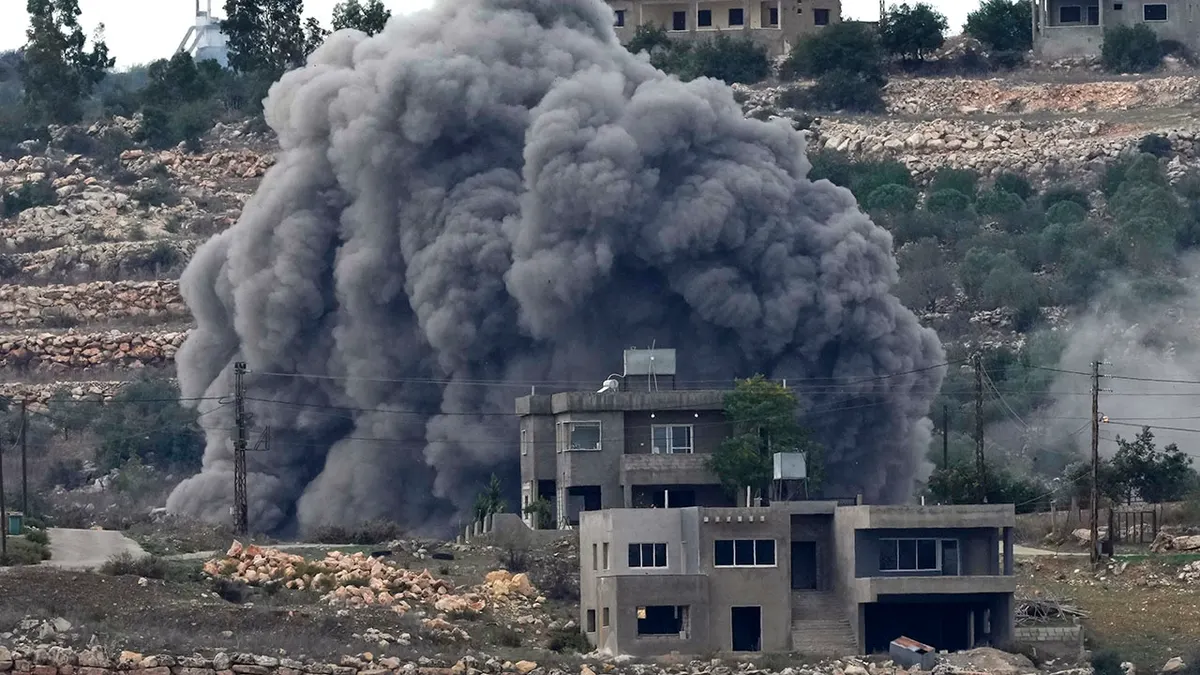
The continuous Israeli bombardment since early Tuesday has led to the deaths of 6 individuals and injuries to several civilians in different regions of southern Lebanon. This escalation is part of a military offensive that began on March 2, which has severely deteriorated the humanitarian situation in the country.
According to the Lebanese news agency, the Israeli airstrikes targeted multiple areas, resulting in the destruction of buildings and significant damage to infrastructure. In the Nabatieh district, reports indicated that the Lebanese army intervened to assist those affected.
Details of the Incident
The Israeli airstrikes continued for hours, targeting both civilian and military sites, raising concerns within the international community. Images circulated on social media showcased the extent of the destruction inflicted on homes and public facilities, reflecting the suffering endured by the population.
Local sources also reported that the bombardment caused the displacement of many families, who found themselves forced to seek shelter in safer areas. This escalation comes at a time when the country is grappling with a severe economic crisis, further complicating the humanitarian situation.
Background & Context
Historically, the region has witnessed ongoing tensions between Lebanon and Israel, characterized by repeated clashes and mutual bombardments. Since the outbreak of the July War in 2006, military operations have not ceased, adversely affecting stability in Lebanon. This latest escalation is seen as part of a series of events reflecting the increasing tensions in the region.
Moreover, the political situation in Lebanon, marked by internal divisions and power struggles, complicates matters further. The Lebanese government faces significant challenges in managing multiple crises, including economic and social issues.
Impact & Consequences
The repercussions of the Israeli bombardment extend beyond military dimensions, directly affecting civilian lives. The casualties add to a long list of victims who have suffered from the ravages of war. Additionally, the destruction of homes and public facilities increases the suffering of residents, who are already facing acute shortages of essential resources.
On the international front, this escalation may lead to increased pressure on the global community to intervene to halt hostilities. Attention may turn to the United Nations and human rights organizations to play an active role in protecting civilians and providing humanitarian aid.
Regional Significance
The events in Lebanon are part of a larger picture reflecting tensions in the Middle East. Many Arab countries are closely monitoring developments, as any escalation could impact regional stability. The recurring crises in Lebanon may have repercussions for neighboring countries, necessitating a response from Arab governments.
In conclusion, the situation in Lebanon remains complex, intertwining humanitarian, political, and military dimensions. It requires coordinated international and regional efforts to alleviate civilian suffering and achieve lasting peace in the region.