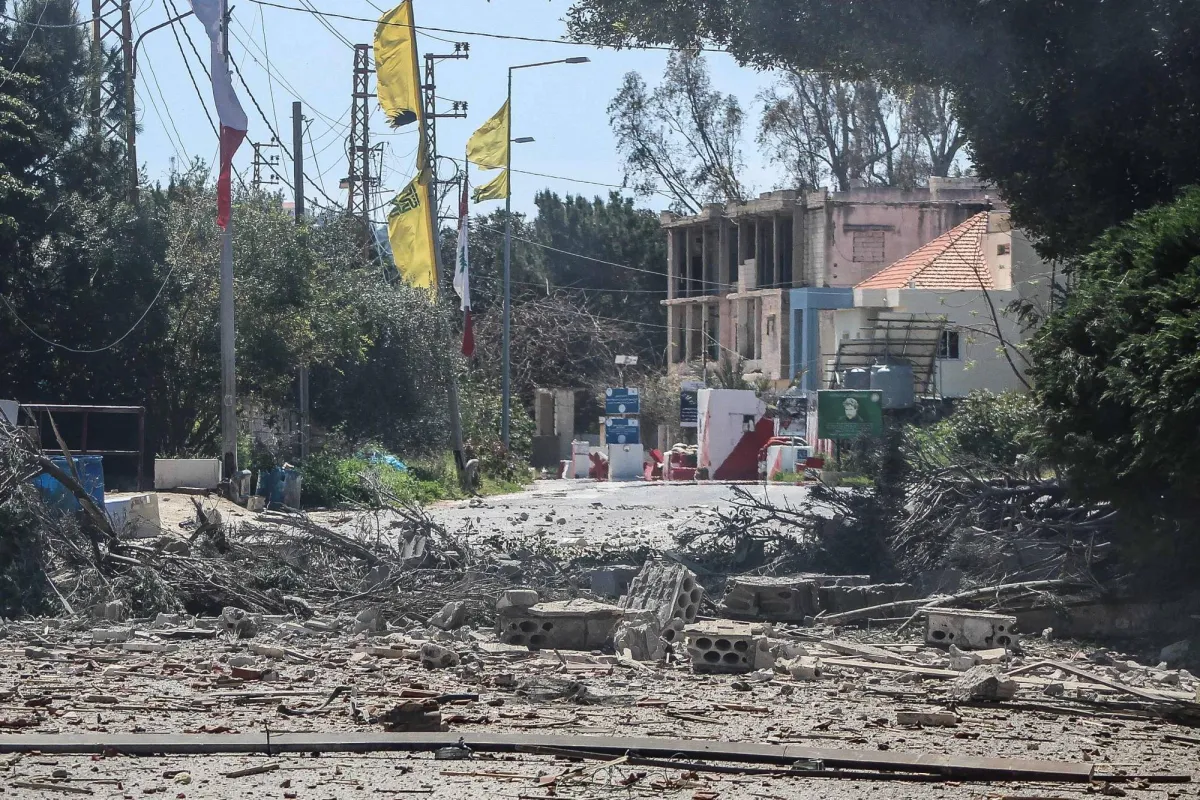
Israeli airstrikes on southern Lebanon on Tuesday resulted in the deaths of 8 individuals, including a rescuer, according to the Lebanese Ministry of Health, marking a continued escalation in the conflict between Israel and Hezbollah that began about a month ago.
The Lebanese Ministry of Health reported in separate statements that 3 citizens were killed and 19 others were injured due to an Israeli strike targeting the town of Srifa, in addition to 4 citizens, including two women, who were initially reported killed in a strike on the town of Najariya.
Details of the Incident
The ministry also reported that an Israeli strike targeted a gathering point for the Rescue Scouts affiliated with the Amal Movement, a Hezbollah ally, resulting in the death of a rescuer and injuries to two others, along with 11 civilians sustaining injuries. The ministry condemned the "continuation of assaults on the health sector" in Lebanon amid rising violence.
These airstrikes come at a time when southern Lebanon is witnessing escalating military tensions, as Israel continues its military operations in the region, exacerbating the suffering of civilians and reflecting the rising tensions in the regional conflict.
Background & Context
Historically, the southern region of Lebanon has experienced recurring conflicts, particularly between Israel and Hezbollah, with this area being the theater for numerous armed disputes. Since the outbreak of the Lebanese Civil War in the 1970s, the region has suffered from the effects of ongoing conflict, leading to a deterioration of humanitarian conditions.
Recently, tensions escalated after Hezbollah fired at Israel, prompting military responses from the Israeli side, which targeted civilian areas, resulting in casualties among civilians.
Impact & Consequences
The repercussions of these airstrikes extend beyond the immediate impact on the victims, as they contribute to worsening humanitarian conditions in Lebanon. The mass displacement of civilians due to the airstrikes increases pressure on infrastructure and health services, exacerbating existing humanitarian crises.
Moreover, the continuation of these military operations could lead to a greater escalation in the conflict, threatening the stability of the entire region. Under these circumstances, Lebanon faces significant challenges related to humanitarian response and providing protection for civilians.
Regional Significance
The events in Lebanon are part of a broader context of regional tensions, affecting relations between Arab countries and Israel. The escalation of conflict in Lebanon could negatively impact security and stability in neighboring countries, increasing the likelihood of new conflicts erupting.
At the same time, there is an urgent need for diplomatic efforts to resolve disputes in the region, as the continuation of violence could exacerbate humanitarian crises and increase civilian suffering.
In conclusion, the situation in Lebanon remains tense, and the international community needs to act urgently to provide humanitarian support and ensure the protection of civilians amid rising violence.