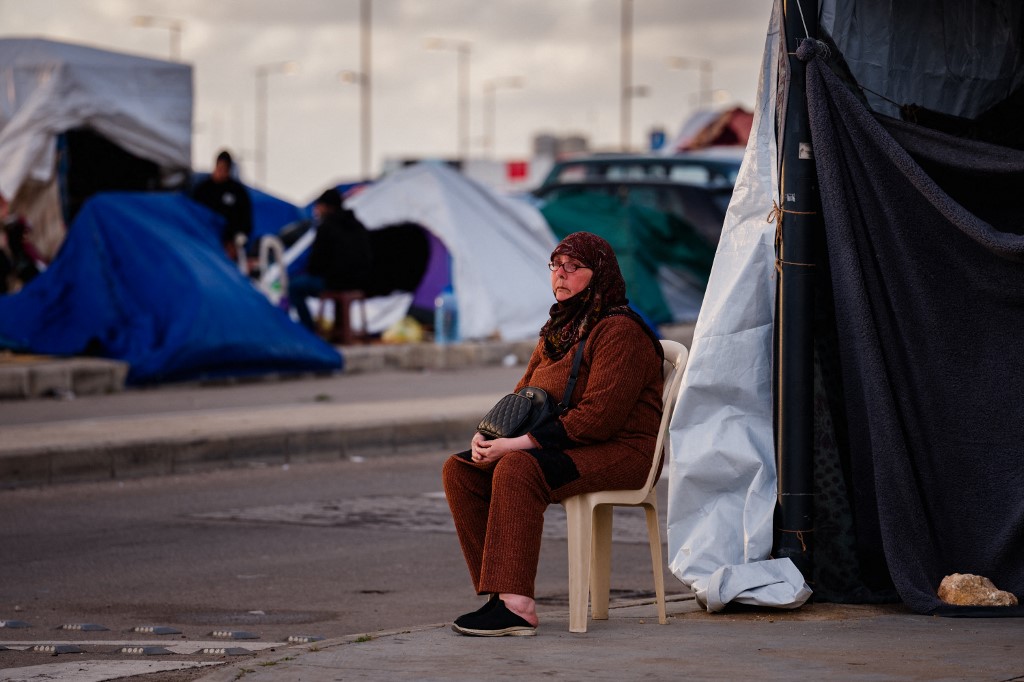
Israeli airstrikes have resulted in the death of one person and the destruction of homes in several areas of Nabatieh, southern Lebanon. The victim has been identified as Shadi Hassan Muallim, while the town of al-Duwayr suffered heavy bombardment that completely destroyed the al-Rous neighborhood.
These airstrikes come at a sensitive time, as the region is witnessing increasing tensions between Israeli forces and Hezbollah, raising fears of a larger escalation in the ongoing conflict. The Lebanese National News Agency reported that the bombardment targeted residential areas, leading to the destruction of many homes and injuries among civilians.
Details of the Incident
During the night hours, Israeli forces launched a series of airstrikes on various areas in Nabatieh, specifically targeting residential neighborhoods. These attacks resulted in the death of Shadi Hassan Muallim, who was at home during the bombardment. Significant damage to infrastructure and homes has been reported, leading to the displacement of several families.
These airstrikes are part of an ongoing Israeli policy targeting Hezbollah, which Israel considers a security threat. Images circulated on social media have shown the extent of the destruction in the targeted neighborhoods, with homes appearing completely devastated.
Background & Context
Historically, relations between Lebanon and Israel have been marked by ongoing tension, especially following the 2006 war that devastated many areas in Lebanon. Since then, Israel has continued to carry out airstrikes against targets believed to be linked to Hezbollah, exacerbating the suffering of civilians in affected areas.
In recent years, the intensity of the conflict has escalated, with Hezbollah firing rockets into Israeli territory, prompting a strong response from Israel. This ongoing escalation threatens to ignite a new war in the region, a concern shared by many observers.
Impact & Consequences
These airstrikes indicate a serious escalation in the conflict between Israel and Hezbollah, which could lead to negative repercussions for regional security. Many experts have warned that the continuation of these attacks may provoke violent reactions from Hezbollah, threatening to spark a full-scale conflict in the region.
Additionally, these events directly affect the lives of civilians, as many live in fear and anxiety due to the ongoing bombardment. International pressure on Israel to limit its military operations in Lebanon is expected to increase, especially given the rising number of civilian casualties.
Regional Significance
The recent events in southern Lebanon are part of a larger picture of the Arab-Israeli conflict, which impacts stability across the entire region. As tensions rise, neighboring Arab countries are increasingly concerned about the potential for the conflict to escalate to new levels.
At the same time, many Arab nations are striving to enhance peace efforts in the region, but these airstrikes complicate their efforts and deepen divisions. The psychological and social impact of these events on Arab communities could be profound, as they continue to suffer from the effects of ongoing conflicts.
In conclusion, the events in southern Lebanon remain a focal point for the world, as everyone looks forward to understanding what the coming days will bring amid rising tensions. The need for dialogue and peace is more urgent than ever.